Your ads are working.
Your landing pages aren’t.
Landing pages that match every ad, launch in days without a developer, and show your team where visitors drop off.





You’re paying for traffic the site can’t close, and nobody flags it
Paying twice for the same click
The ad gets them there and the page sends them away, so you pay to reach them again.
You can’t ship without a developer
Next week’s campaign page needs engineering time, so the campaign launches without it.
Your CPA rises and nobody knows why
Channel performance holds steady while CPA climbs. The leak isn’t in the channel.
Every part of the funnel asks the website to do a different job.
Paid traffic needs pages that match the ad. Launches need pages without a developer. Leadership needs proof the fix worked. We build for all three.
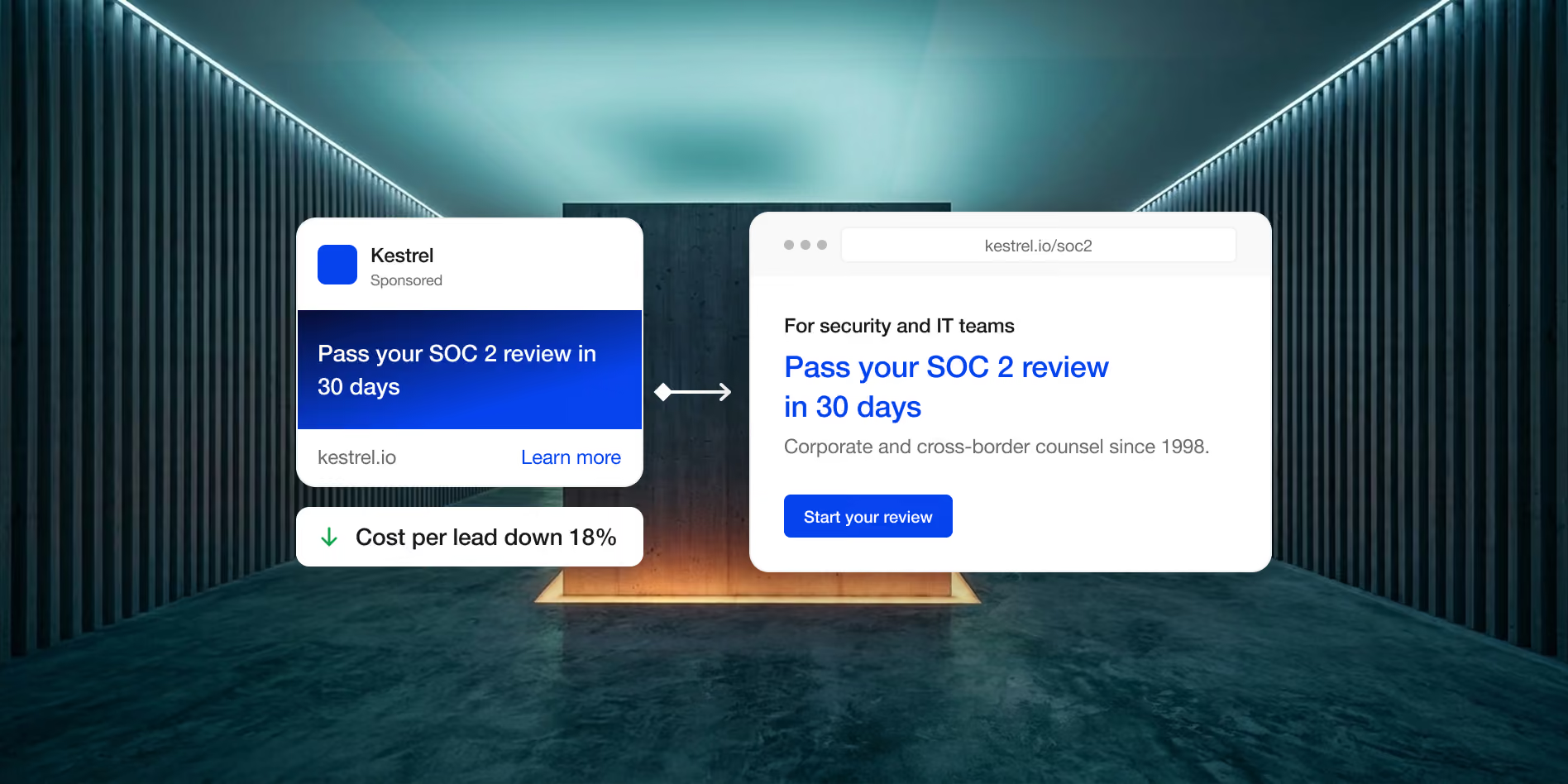
Stop paying twice for the same click. Every ad lands on a page built around that ad’s promise, so the visitor never has to work it out.
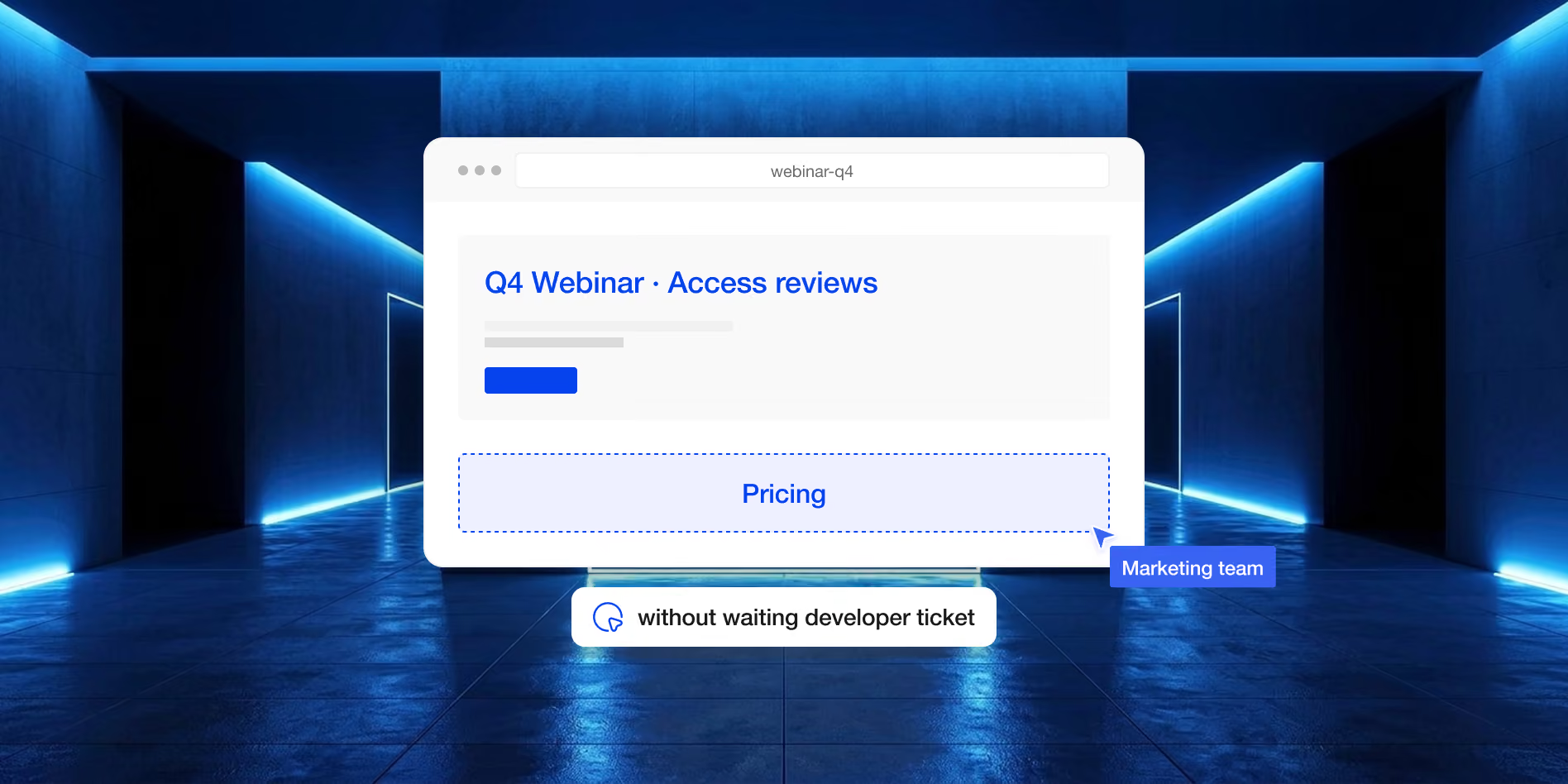
Launch the page the same week as the campaign. A library of sections your team assembles into new pages, without waiting on a developer ticket.
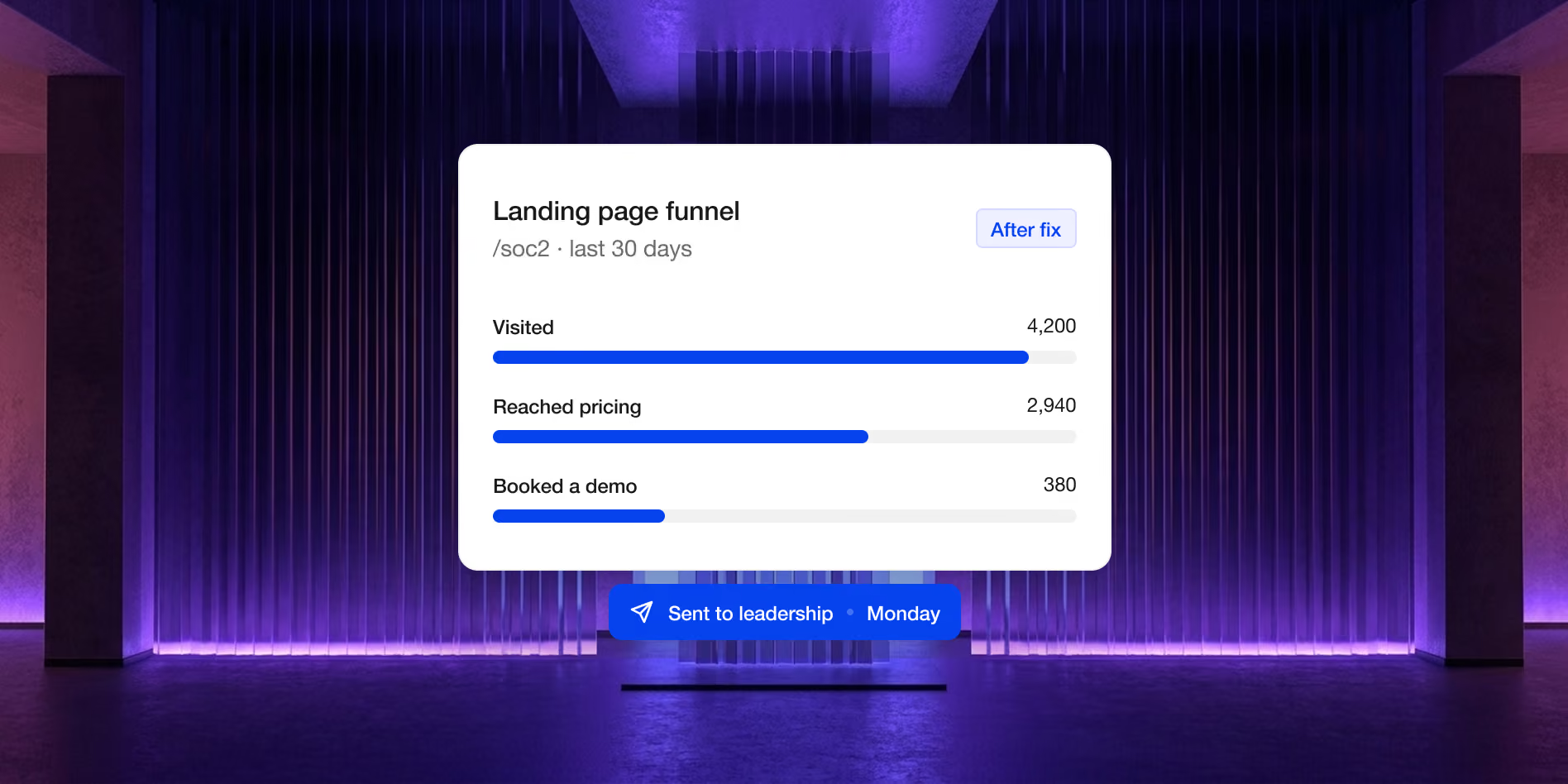
Find the leak, then show leadership it’s fixed. Clear analytics on every page, so you know where visitors drop off and can prove what changed.
A website that works for you
The traffic you buy starts converting
Campaign pages need no engineering
You can see where visitors drop off
Every page keeps the ad’s promise
Polished enough for the board deck
You own all of it, from day one
Before Superpresence, and after
With Superpresence
- Every click lands on a matching page.
- The page ships the same week.
- Marketing builds a new page in an afternoon.
- You can see exactly where visitors drop.
- Forms ask only what sales needs.
- Your team tests a headline this week.
- The site goes straight into the deck.
Without Superpresence
- You pay twice for the same click.
Campaigns launch without the page they need. - Every fix waits behind a developer ticket.
- CPA rises and nobody can say why.
- Forms ask for too much, too early.
- Testing a headline takes a whole sprint.
- You crop the site out of the deck.

"Superpresence rebuilt our site around what founders and partners actually need from us. It finally looks like the organisation we've become, and the team made the whole process easy."


The three options in front of you
Each one suits a different moment. Here’s how they compare for a startup that needs its website to sell.
A senior team in Asia, built to be
the department you don't have
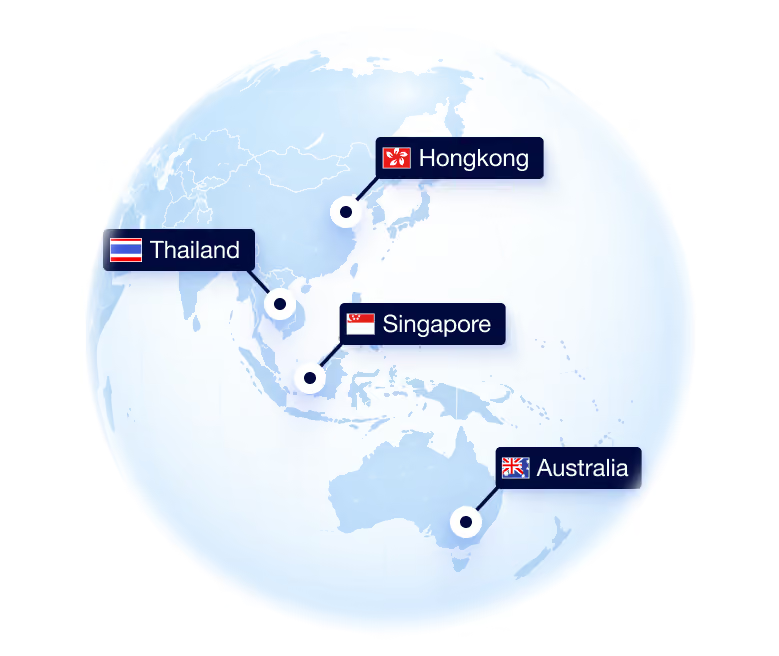
Built in Asia, written for buyers abroad
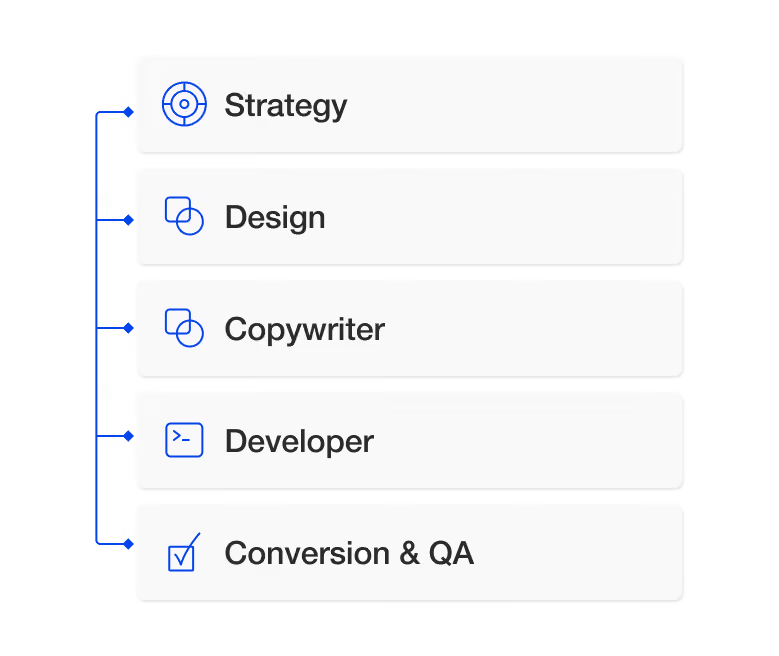
The whole senior team, one roof
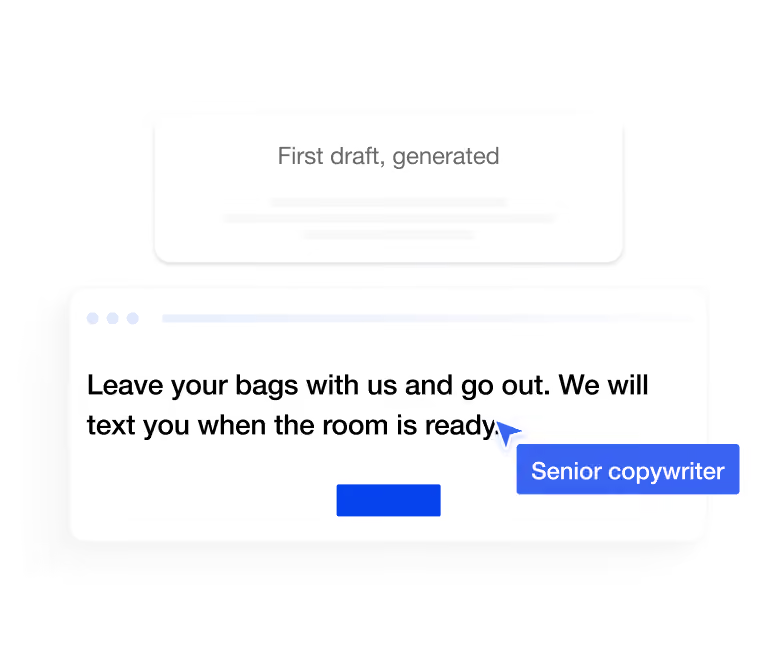
Copy written by people, in English
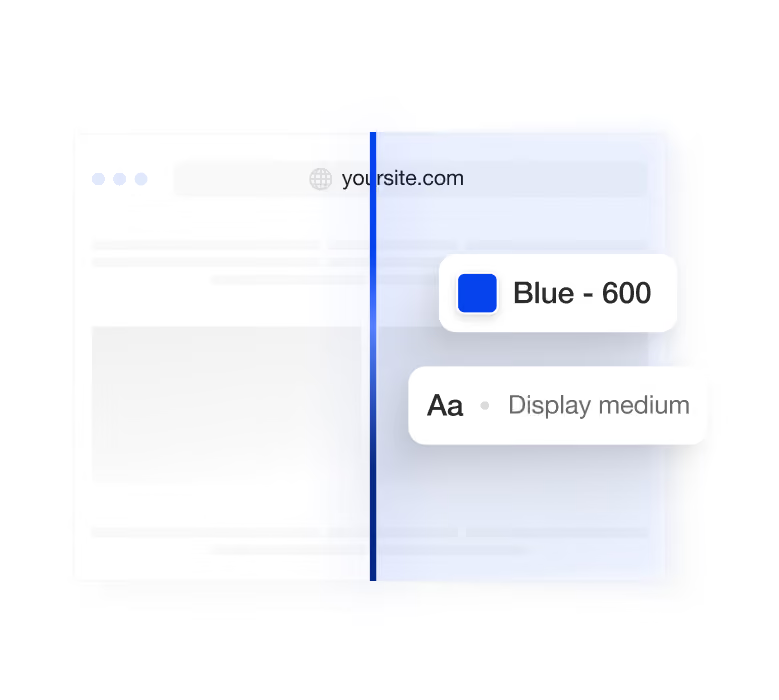
Designed for the screen first

AI-native, not AI-dependent
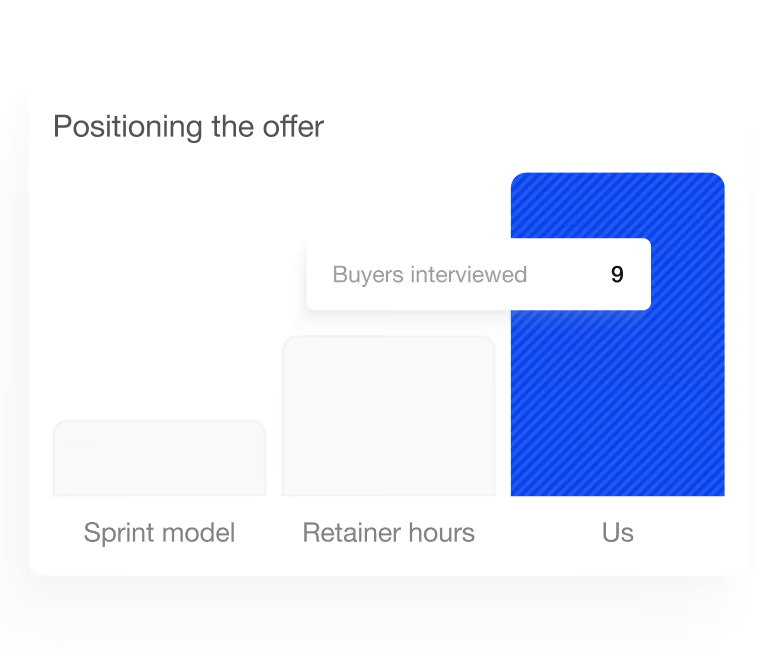
Depth over volume
The firm clients find online finally matches the one they meet
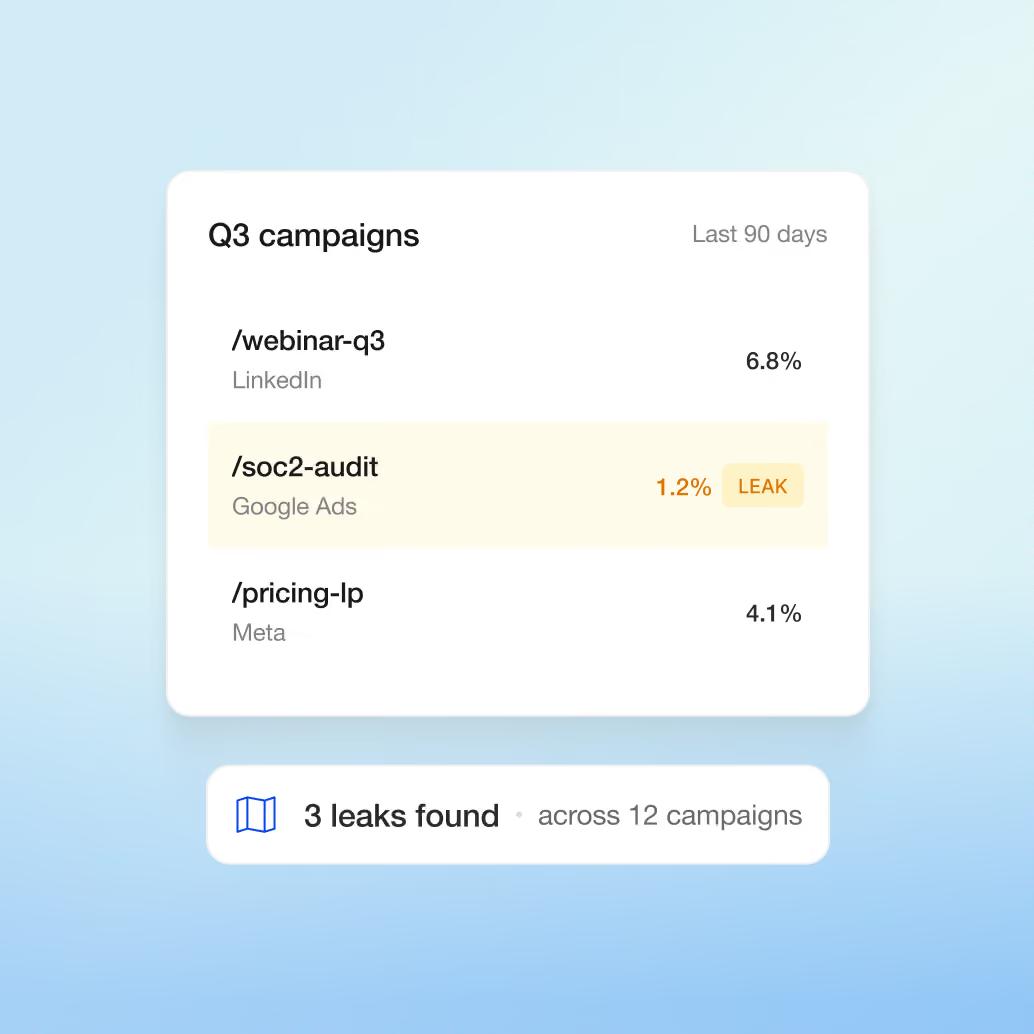
Funnel audit
We open your analytics and ad accounts first, to find which pages leak, which audiences convert and where spend is wasted.
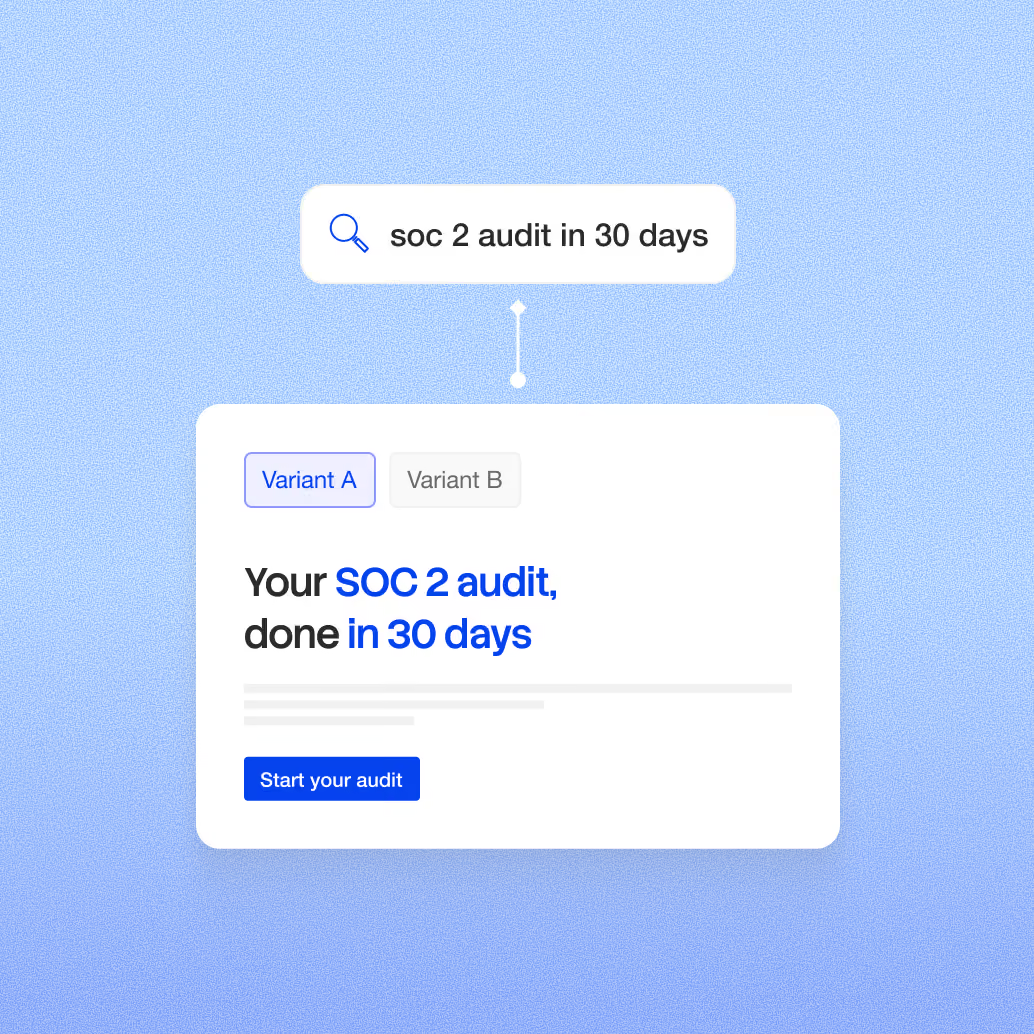
Message match
Each headline and offer continues the ad that sent the click, in the exact words your customers search with.
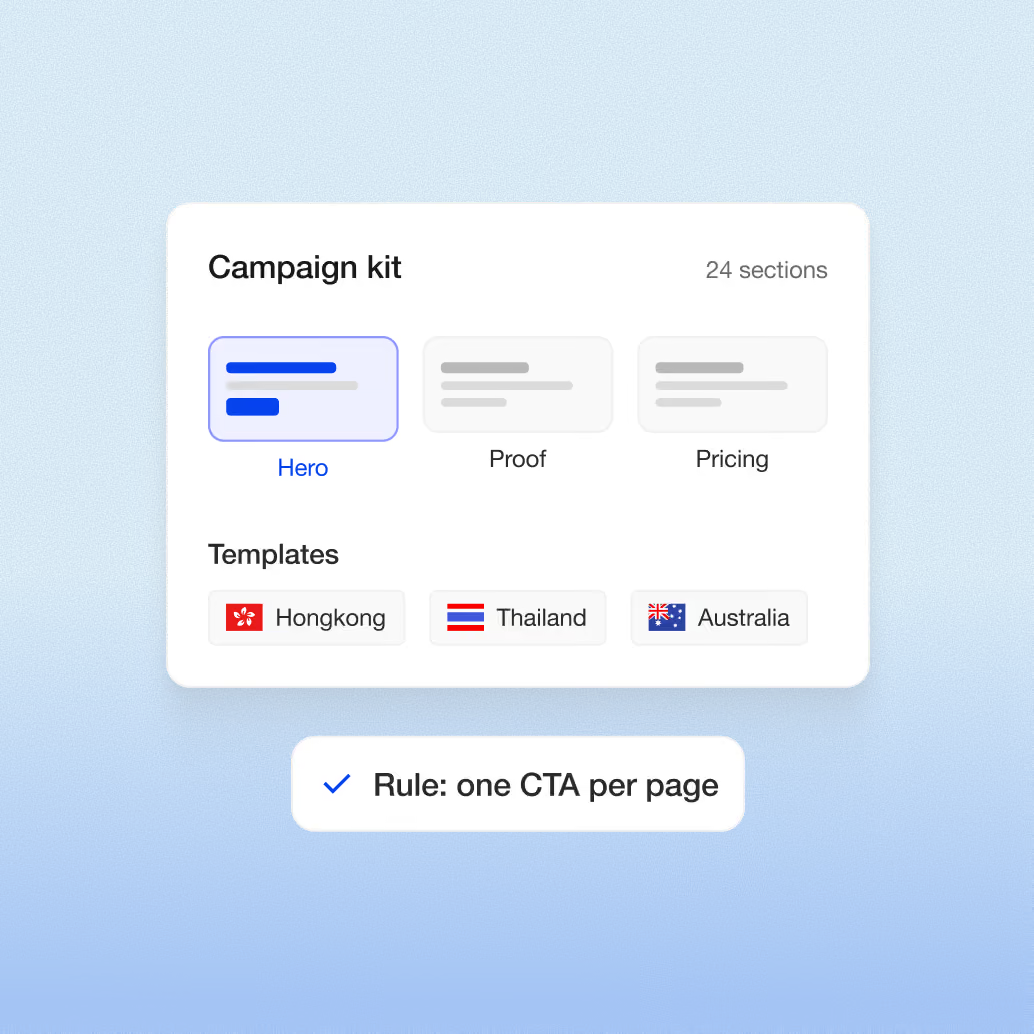
Section library
Instead of one-off pages, we design a kit of on-brand sections your team combines into any campaign page.
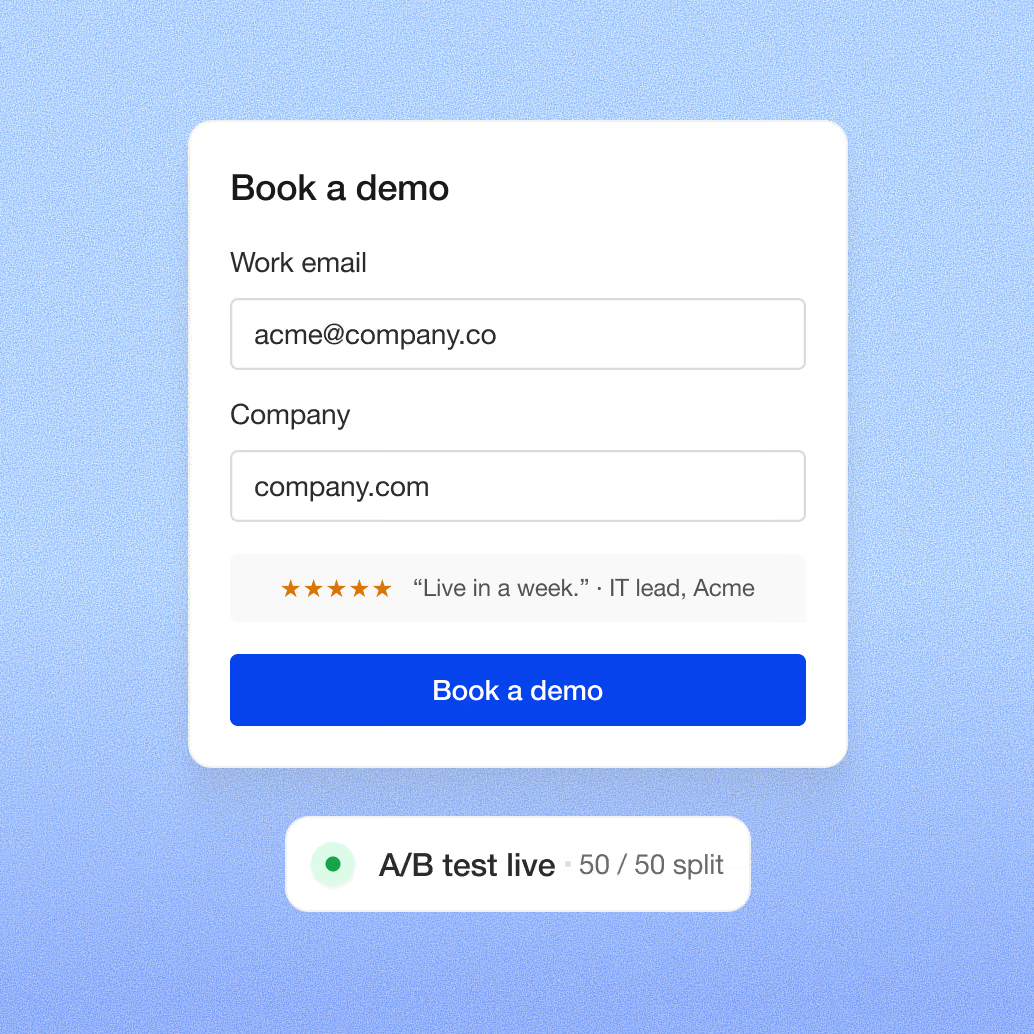
Conversion testing
Forms get shorter, proof moves to where visitors hesitate, and every change is set up to be measured.
Tracking & enablement
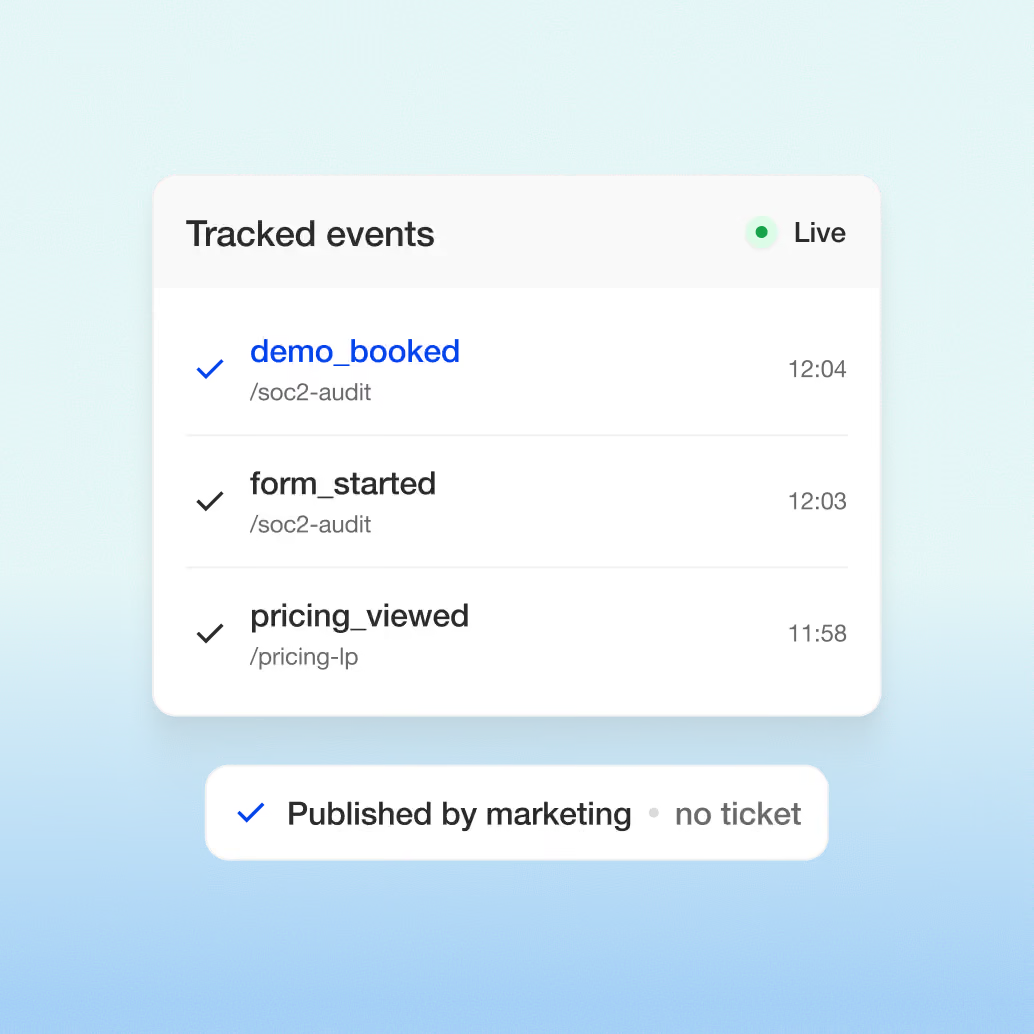
We launch with events on the actions that matter, then train your team to publish and test without filing a ticket.
Two ways in. Neither of them starts with a quote

A video teardown of your site
A senior strategist reviews your site like a cautious investor or new buyer, pinpointing where visitors lose interest.



Questions founders ask us
We already have a product designer in-house. What else do you add?
We take on the website as a whole, so your designer can stay on the product.
Research and positioning, native-English copy, design, a Webflow or Framer build, QA, and a structure search and AI tools can read all come from one senior team. Nothing lands on your engineering roadmap.
How long does a project take, and can it land before our raise?
Most projects take 8 to 12 weeks from kick-off to launch, depending on scope.
A small fixed site can be live in 3 to 4 weeks. If you have a raise or launch date, tell us on the first call: the proposal sets out the schedule phase by phase, and we will say so if the date is not realistic.
Can you work inside our existing brand and design system?
Yes. Send us your logo, brand files and any design system you already have, and the site is designed around them.
If the brand is thin or inconsistent across channels, our Branding service can build it out first: logo, colour and type, delivered as the same tokens the site is built from.
Either way, colours, type and spacing become variables in the build, so every page stays consistent long after launch.
Will we be able to ship landing pages without a developer?
Day to day, yes. Your team can publish posts, swap images, update team profiles and assemble new pages from the sections we design.
Where it stops: new page layouts, new CMS collections and new integrations are developer work. Those go through a maintenance plan or a one-off request.
That covers the everyday work, so a new page does not need a developer or an agency ticket.
What happens after launch?
Handover comes first: editor training, a recorded walkthrough and the account transferred to you. Anything that doesn't work as signed off is fixed free.
After that, many clients keep us on a Webflow maintenance plan for new pages and improvements, with every request scoped and approved before work starts. If you'd rather run it fully in-house, the site is built for that too. Book a call and we'll work out which suits your team.
What is the project investment?
It depends on how many pages and CMS collections the site needs, what it connects to (CRM, bookings, gated content, more than one language) and how much strategy and copy goes into it. Book a call and you'll get a fixed price in a proposal within a week. That price stays the same if we recommend Framer or a custom build instead.
Projects start from US$4,800 for a smaller marketing site. If you run ads, most clients see the build pay for itself within the first year, from higher conversion rates, more enquiries and a site that carries more authority with buyers. On average, clients running ads see a 20% lift in enquiries.