Websites that survive a CISO's first read
Your buyers check what the product does, how it deploys and what evidence backs it, long before they take a call. We build sites that answer those questions and make booking a demo feel low-risk.









Your site isn't answering what your buyers are checking
Visitors leave unsure what you sell
A vague category description leaves technical readers unclear about your product.
You lost a shortlist to a weaker product
The competitor's site explained itself better, and the buyer never saw the difference.
Engineers won't share the site
The team knows the copy won't hold up in front of a technical buyer, so they route people around it.
Who this page is for
Cybersecurity companies in Asia selling to technical buyers, often overseas. What these firms share: the client reads the website hard before anyone speaks.

Security software vendors

Security service providers

Security consulting firms

Compliance firms

Identity and access companies

Security training providers
The pages a security company's site needs
Product pages
Service pages
Framework and compliance pages
Case study and evidence pages
About and team pages
Demo and enquiry flows
What changes once the site is live
What the same traffic does with a site that explains you properly.
Without Superpresence
- CISOs read your claims with doubt
- Certifications scattered or missing entirely
- No research published, so expertise stays invisible
- RFP teams struggle to find basic answers
- Partners improvise their own material
- Incidents start with a slow, unclear contact
After Superpresence
- CISOs and engineers trust what they read
- Trust centre: certifications and compliance mapping
- Threat research brings expertise and search traffic
- Procurement and RFP teams find what they need
- Channel partners get material they can use
- Incident response gets a clear, fast contact route
A site built to pass the checks your buyers run
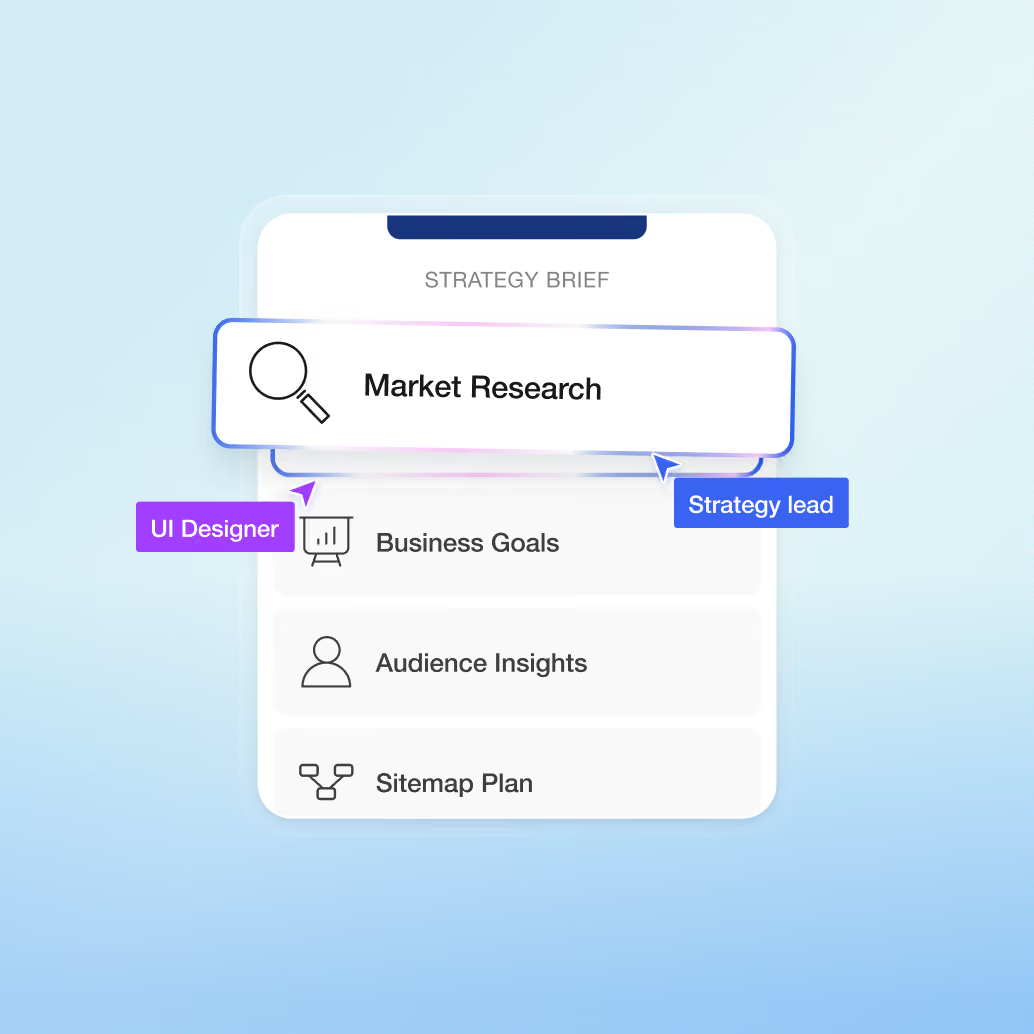
Research & Strategy
We study your competitors, your services and how your marketing works before anything is designed, so the site answers what your buyers actually look for.
- Competitor research
- Sitemap built around your services
- Marketing funnel mapping
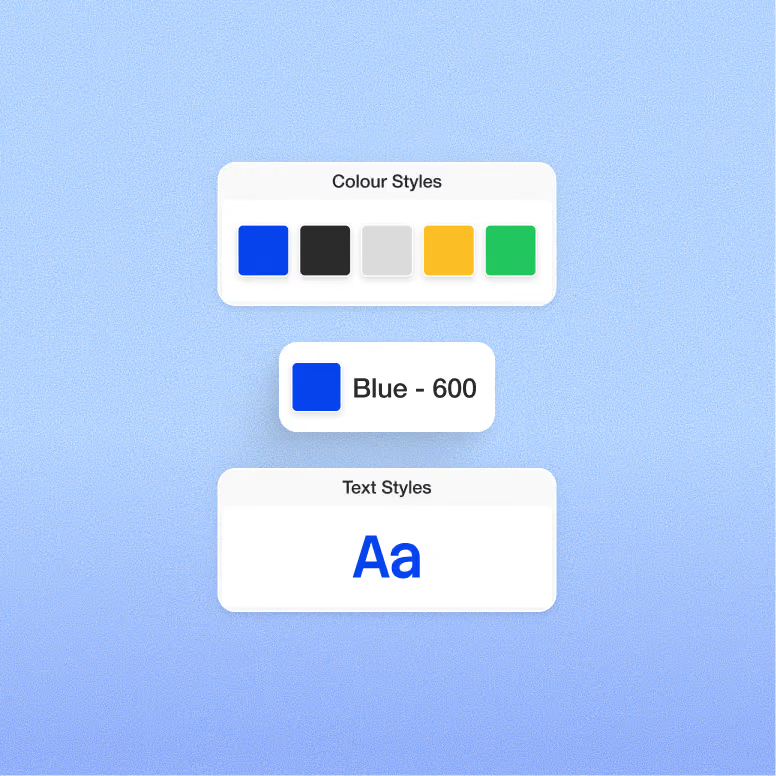
Visual Design
Every screen is drawn for your company, with the composure a security buyer expects from a firm they'd trust with their infrastructure.
- Fully custom design
- Authoritative visual system
- Premium finish on every page
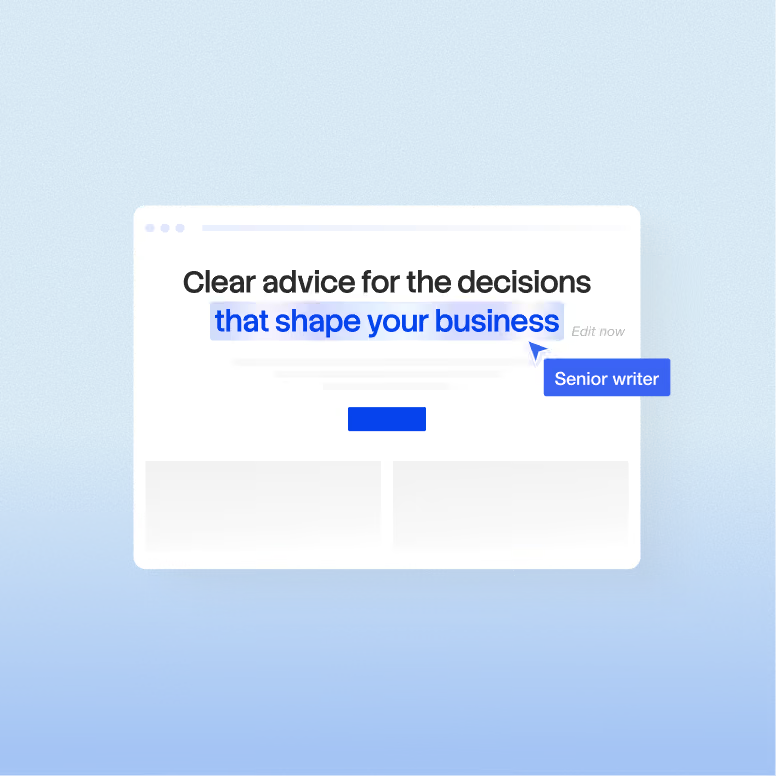
Messaging & Copywriting
Professional writers produce copy that explains the product precisely, so your engineers never have to rewrite it.
- Persuasive page copy
- Technical accuracy
- Clear product explanation
UI/UX Design
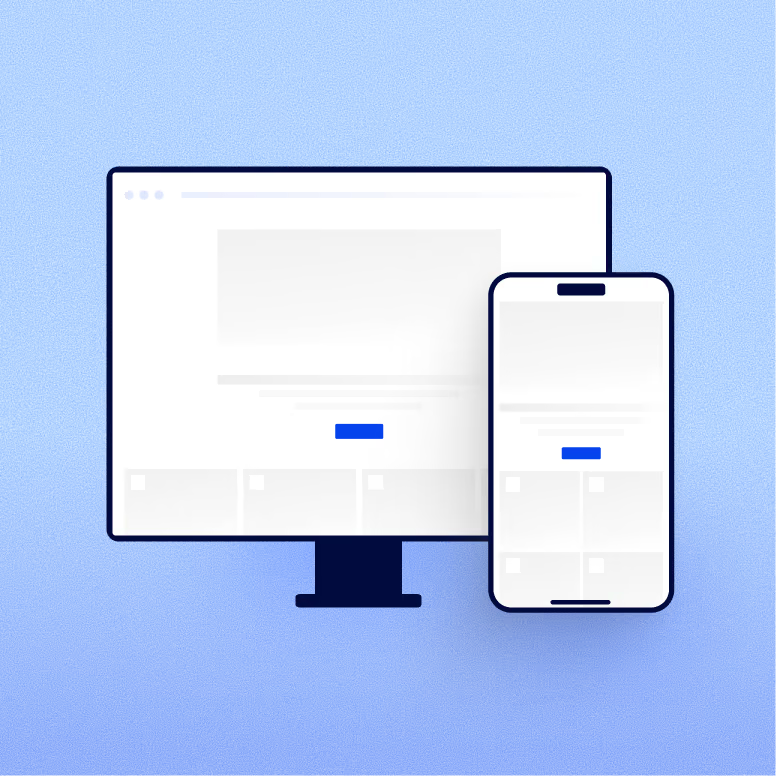
Every page is built to lead a technical visitor towards an enquiry, and works on any device they use.
- Conversion-focused layouts
- Enquiry paths on every page
- Responsive on every device
Development & QA
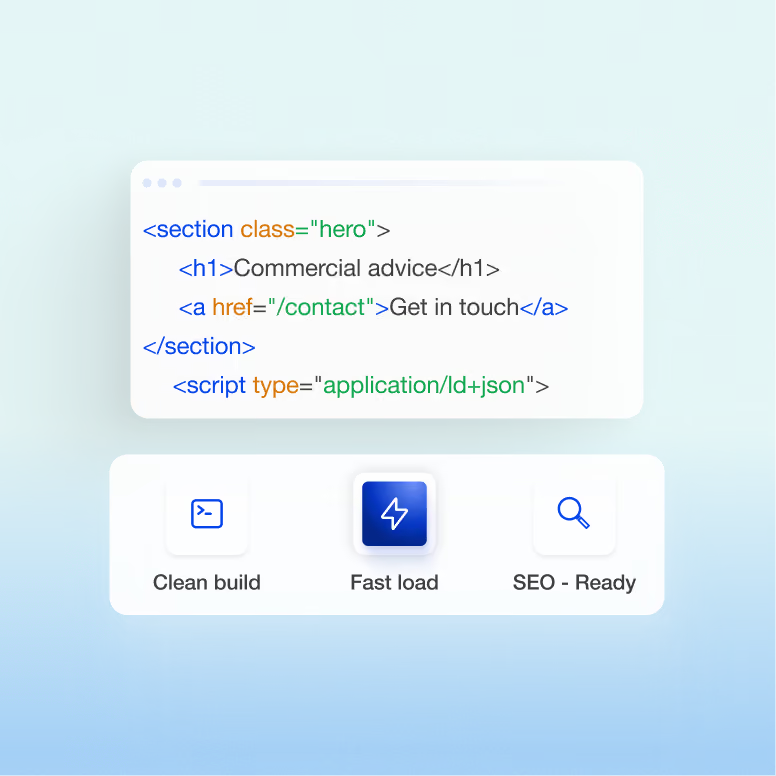
We build on the latest tech stack, then test across devices and browsers before launch so nothing breaks in front of a buyer.
- Fast, SEO-ready build
- Tested on every device
- Integrated with your tools
What a website that survives scrutiny does
Six improvements that let a security buyer trust the site enough to book a demo.
Conversion-focused UX
Fast load speeds
Search and AI visibility
Analytics
A CMS the team runs
Security and scale

Experts in every discipline, working as your firm's digital department
Built for English-speaking buyers
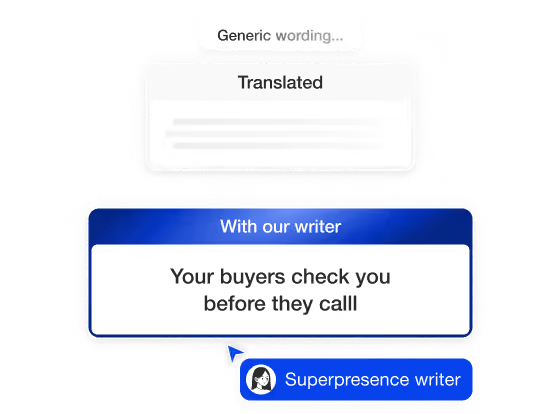
Your buyers evaluate software in English. We write for them, so the product never reads translated.
AI-native, not AI-dependent
We use AI to research competitors, reviews and buyer questions fast. Experts direct it and sign off every line, so nothing generic ships.

Web design that wins business
Every page moves visitors towards a demo or a trial, with the proof buyers need to justify it.
The whole team, none of the overhead
Your product gets the whole team, from strategist to QA, with nobody to recruit, onboard or manage.
You look sharper than your competitors
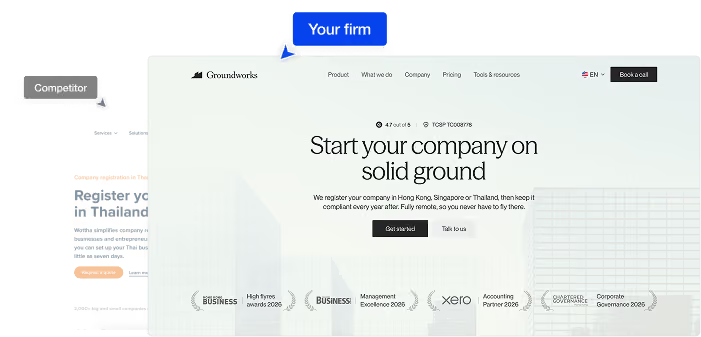
Design and polish that stand up against funded competitors, so buyers compare you favourably.

"Superpresence rebuilt our site around what founders and partners actually need from us. It finally looks like the organisation we've become, and the team made the whole process easy."


What you'd want to know first
Will you understand what we actually do?
Well enough to write it clearly, with your engineers checking every claim. Research comes before design: we read your documentation, sit through a technical demo, and interview the people who sell and deploy the product. From that, we write a plain account of what it protects, how it deploys and what it integrates with, and your technical lead marks it up before any page is drafted. We don't pose as security engineers. Our job is to make your engineers' knowledge readable to a CISO in a minute, and accurate enough that an architect keeps reading.
What should a cybersecurity company look for in a web design agency in Asia?
Three things: a team that gets technical claims right, writers who make them readable to a non-technical buyer, and a build that holds up to scrutiny. Superpresence covers all three from Hong Kong, Singapore and Bangkok, for security companies selling to English-speaking buyers across Asia, Australia and abroad. Expert native-English copy a CISO and a procurement team can both follow. Trust and compliance pages mapped to the frameworks your buyers answer to, with your team confirming each claim. A fast, structured build, QA-tested before launch. Security buyers increasingly ask AI tools to shortlist vendors for a specific threat or framework, and a site with clear product pages, schema and complete answers is what those tools can read and describe correctly.
Our engineers will end up rewriting the copy, won't they?
Not when the first draft is built from their own words. Our copywriters work from recorded technical interviews, so drafts use your terms, your architecture and your actual claims. Engineers review for accuracy at each of the three feedback rounds and correct facts, while the writing stays with us. Engineers usually rewrite agency copy because it was written from the category. Writing from interviews fixes that at the source.
We can't name clients or show incident detail. Can the site still work?
Yes. Security buyers expect discretion, and a site that names every client can read as careless. Proof comes from what you can say: certifications and audit reports, the frameworks you map to, anonymised engagements by sector ("a regional bank in Southeast Asia"), published research and the seniority of your team. We agree with your team what can be published before writing starts, so nothing has to be pulled at legal review.
How is a cybersecurity website priced?
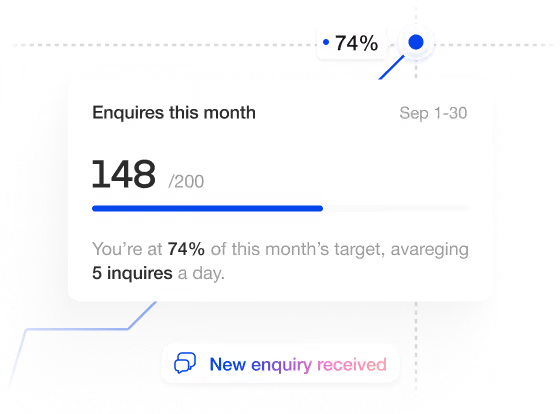
By scope, so the honest first answer is that it depends. A trust centre, one page per framework, partner material, a research hub, several products, or CRM routing into HubSpot or Salesforce each change the number, as does how much technical interviewing the copy needs. Tell us what you sell on a call and the proposal arrives within a week, at a fixed price. Projects start from US$4,800 for a smaller marketing site. For security companies running paid campaigns, most clients see the investment pay back within the first year: better conversion on the same clicks, more demo requests, and a site that holds up when a CISO reads it closely. Clients running ads see on average a 28% lift in enquiries.
We'd rather keep the site vague so competitors can't see what we do. Is that a problem?
For us, yes. Our work depends on saying specifically what the product does, how it deploys and what backs it. If that can't go on a public page, the site can't do the job you'd be paying us for. In that case a minimal, well-designed holding site plus a sales-led approach will serve you better, and a freelancer or template can deliver it for far less. If only some detail is sensitive, that's normal: we keep it for the demo and make everything else specific.
Why not a big international agency?
Some do excellent work. The common trade-off is a senior team in the pitch and a junior team on the build, slow review cycles across time zones, and a price that carries their overhead. Superpresence is one senior team covering strategy, design, copy, development, conversion and QA, based in Asia and writing for the international buyers you sell to.
We have years of advisories and blog posts. What happens to them in a rebuild?
They come with you. We move existing research, advisories and posts into the new CMS, keep the URLs that rank, and set up 301 redirects for the rest, so search traffic and inbound links carry over. Content parity is checked as part of QA before launch. A full rebuild, including that migration, takes 6 to 12 weeks. A 30-minute call is enough to tell you where your project sits in that range.