Show buyers what your AI actually does
Technical buyers arrive sceptical, and most AI sites give them claims instead of answers. We build sites that show what the product does, how it runs and what backs it up.









Buyers assume hype until your site proves otherwise
The site still tells the old story
It was built for the product you sold before the pivot, and that is the first thing a buyer reads.
Visitors can't tell what you do
Technical buyers read the homepage, can't work out the offer, and leave without asking.
You sound like every other AI company
The same words as everyone else, so nothing tells a buyer why you are the safer bet.
We build websites for AI companies across Asia
The product outgrew the site. Here is what your buyers check before they get in touch.

AI products

AI infrastructure

AI agents and automation

Vertical AI

Data and analytics

AI consultancies
The pages your buyers expect to find
Product pages
Docs & integration pages
Security and data handling pages
Case studies and proof pages
Pricing and packaging pages
Launch and campaign pages
What changes once the site is live
The same traffic, read by buyers who believe you.
Without Superpresence
- Vague promises leave technical buyers unconvinced
- Buyers can't see their problem solved
- Procurement asks data questions you missed
- Interest stalls at newsletter sign-ups
- Developers hunt for docs elsewhere
- Hype language makes you sound like everyone
After Superpresence
- Demos and real outputs show what it does
- Use cases explained by industry
- Data and model-security questions answered early
- Interest turns into pilots and proofs of concept
- API docs and quickstarts linked from marketing
- Specific, checkable claims stand apart from hype
We rebuild the site so technical buyers can check it
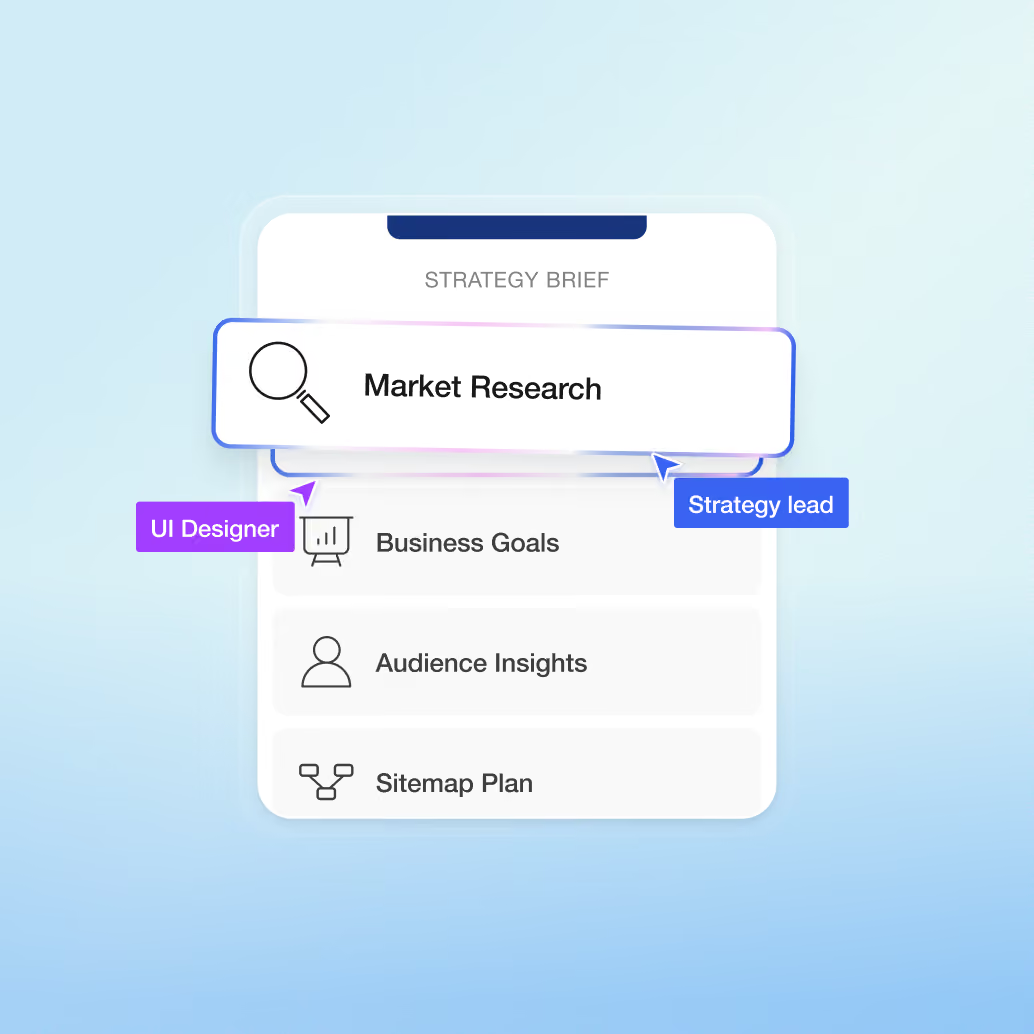
Research & Strategy
We study your competitors, your product and how your marketing turns visitors into buyers, then plan the site around what we find.
- Competitor research
- Sitemap built around your services
- Marketing funnel mapping
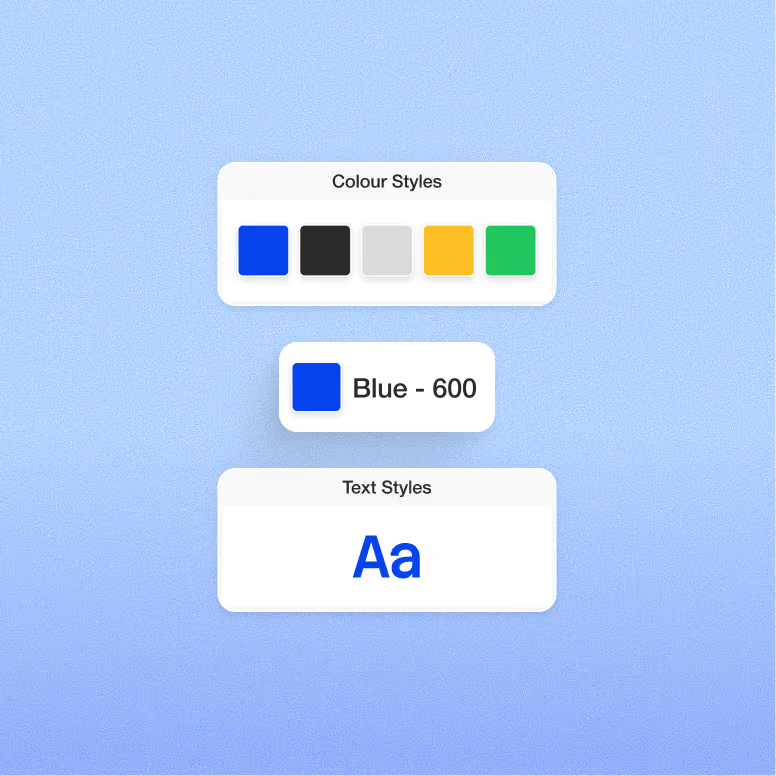
Visual Design
Every screen is drawn for your company, so the site looks like the serious option in a category full of lookalikes.
- Fully custom design
- Authoritative visual language
- Premium finish on every page
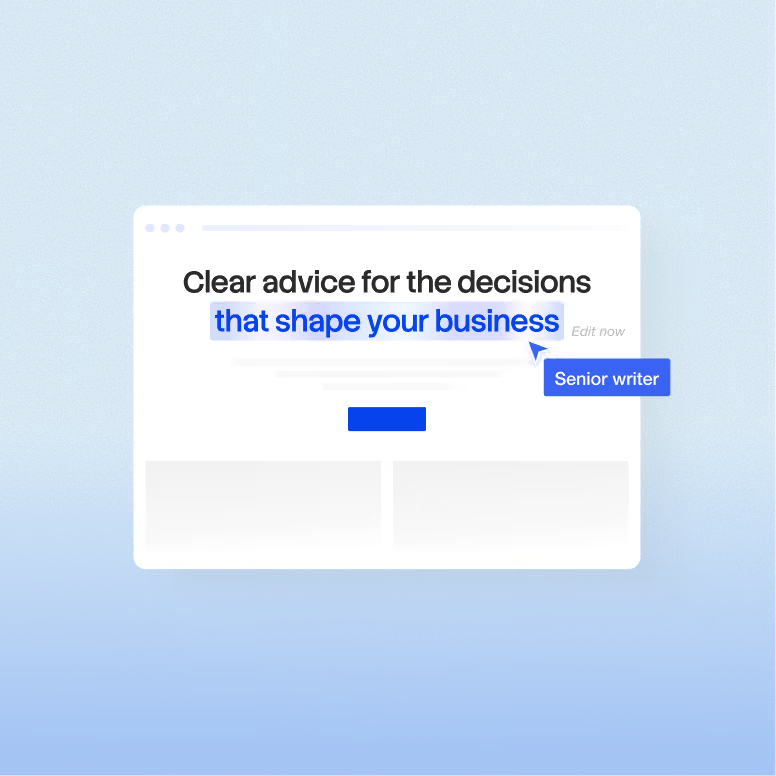
Messaging & Copywriting
Our writers state plainly what the product does and what it runs on, so technical readers trust what they find.
- Persuasive page copy
- Plain-language product claims
- Tone set for your buyers
UI/UX Design
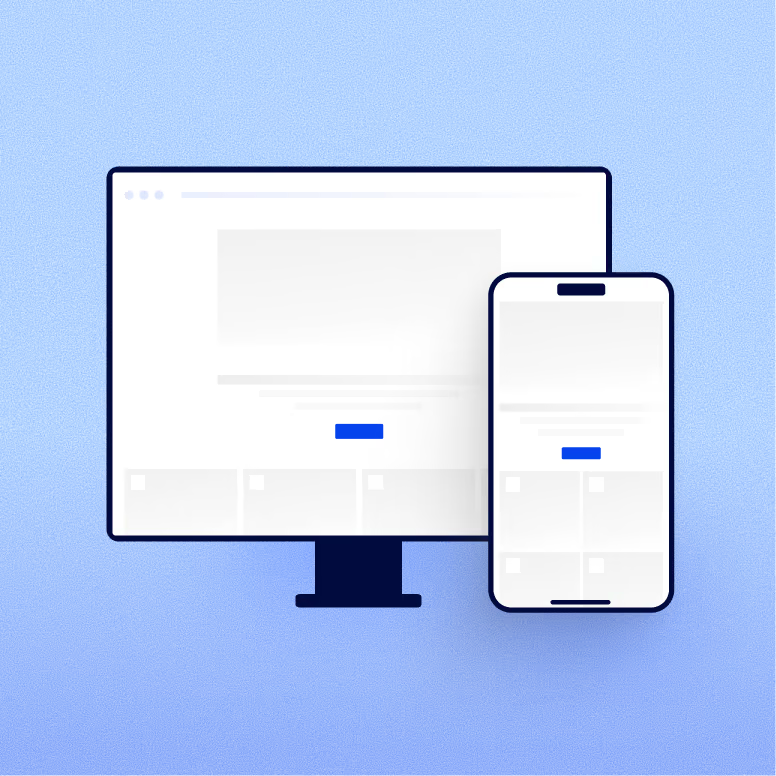
Every page is designed to end in an enquiry, and works on whatever device your buyer is holding.
- Enquiry-led page flows
- Conversion-focused UX
- Responsive on every device
Development & QA
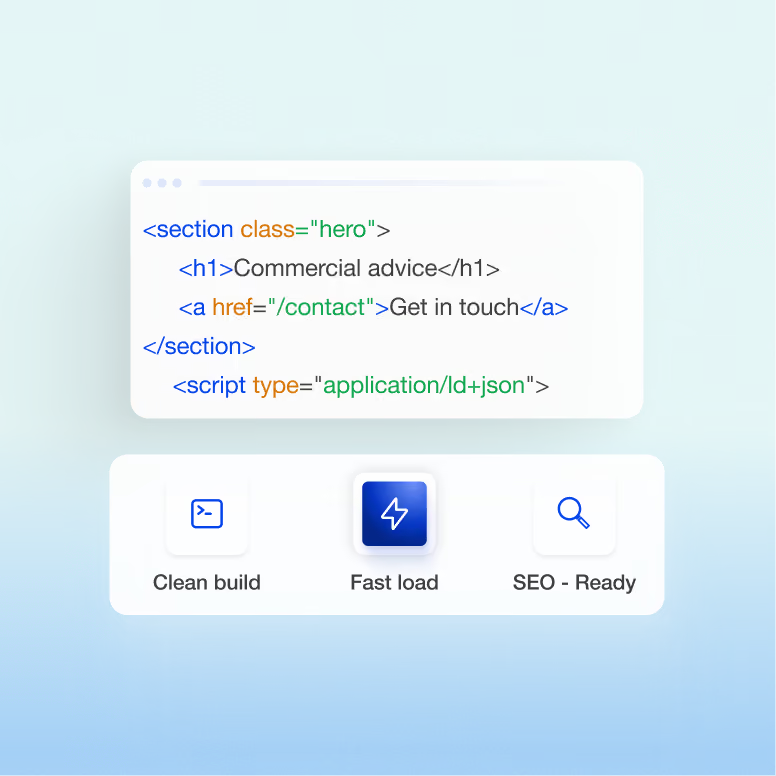
We build on the latest tech stack, check the structure search engines and AI tools read, and test across devices and browsers before launch.
- Fast, current build
- Structure AI tools read correctly
- Integrated with your tools
What a website built for technical buyers does
Six improvements that make a technical reader believe the product, and book a demo.
Conversion-focused UX
Fast load speeds
Search and AI visibility
Analytics
A CMS the team runs
Security and scale

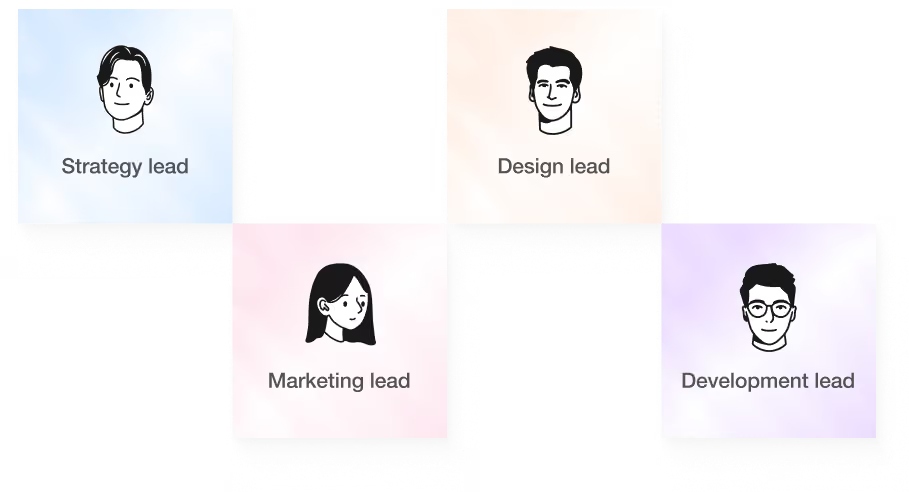
Experts in every discipline, working as your firm's digital department
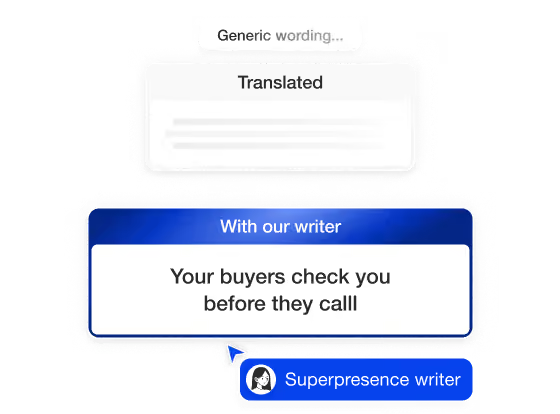
Built for English-speaking buyers
Your buyers evaluate software in English. We write for them, so the product never reads translated.
AI-native, not AI-dependent
We use AI to research competitors, reviews and buyer questions fast. Experts direct it and sign off every line, so nothing generic ships.
Web design that wins business
Every page moves visitors towards a demo or a trial, with the proof buyers need to justify it.
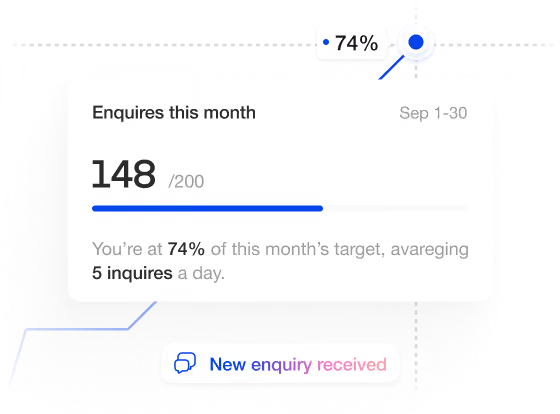
The whole team, none of the overhead
Your product gets the whole team, from strategist to QA, with nobody to recruit, onboard or manage.
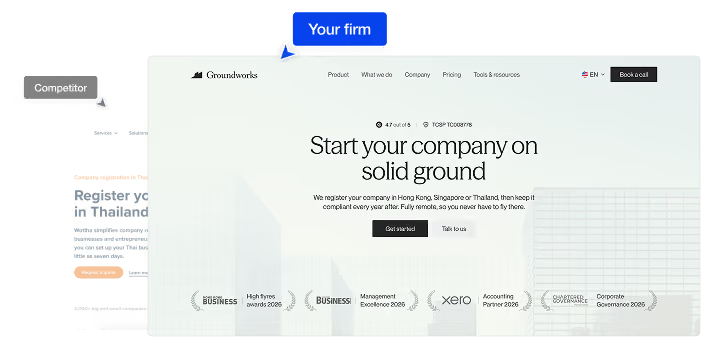
You look sharper than your competitors
Design and polish that stand up against funded competitors, so buyers compare you favourably.

"Superpresence rebuilt our site around what founders and partners actually need from us. It finally looks like the organisation we've become, and the team made the whole process easy."


What founders usually ask first
Can a design team understand what our product does?
Yes, because understanding it is the first phase of the project, before anything is designed. We read your docs, sit in on a demo, and interview the people who build and sell the product until we can explain it back to an engineer. That research becomes a plain account of what the system does, what it connects to and where it stops. Your technical lead checks it before a single page is written.
Will you make us sound like every other AI company?
No. Most AI sites sound alike because they describe the category (faster, smarter, AI-powered) instead of the product. Our copywriters write from specifics: inputs, outputs, integrations, the benchmark you can defend, the use case by industry. Specific claims are harder to write and easier to believe. A sceptical buyer can check them, and that is what separates you on a shortlist.
Why choose Superpresence to build an AI company's website in Asia?
Superpresence is a web design agency based in Hong Kong, Singapore and Bangkok that builds websites for AI companies selling to English-speaking technical buyers. An AI site has to do three jobs, and one senior team covers all of them: Clarity a technical buyer trusts: product, architecture, security and data-handling pages written by expert native-English copywriters. Structure AI search tools can read: when an engineer asks ChatGPT or Perplexity which tools solve their problem, a clearly structured site gives those tools an accurate account of what your product does, where a vague one gets summarised as one more AI platform. A CMS your team runs, so new use-case and launch pages go live without a developer. Our team has collectively launched 48+ websites, and every build is QA-tested across devices and browsers before launch.
Why not ship a site ourselves with AI tools in a week?
For a waitlist page, that's a sensible call. The trouble starts when enterprise buyers arrive: a generated site has a recognisable look, and to a head of data it signals that nobody senior thought hard about the claims. We use AI heavily in research and iteration too. Experts decide what stays, write the copy and sign off every line, so nothing generic ships.
What does a website for an AI company cost?
It depends on what the site has to explain. The drivers are page count (docs hubs, integration pages, use cases by industry, comparison pages), functionality such as CRM routing or a demo booking flow, and how much positioning work the product needs before copy starts. Book a call and you'll have a fixed scope and fixed price in a proposal within a week. Projects start from US$4,800 for a smaller marketing site. If you run ads to the site, most clients see it pay back within the first year, through higher conversion rates, more demo requests and a site technical buyers take seriously. Platform fees go directly to the provider: a live Webflow CMS site runs roughly US$25-40 a month (as of June 2026).
Our product changes every few weeks. Is it too early for a proper site?
It might be. If what the product does, who it's for and what it replaces are still shifting month to month, a full build will date before it pays back, and a clean template or an AI site builder will hold you better until the story settles. Superpresence is the right call once the core is stable and the site has to convince buyers who never saw the demo. The parts that keep moving (use cases, launches, changelog) sit in a CMS your team edits.
Is it a redesign or a rebuild?
After a pivot, almost always a rebuild. The old structure was built for the product you used to sell, and new buyers need new pages: use cases, security, integrations, pricing. Reskinning the old ones keeps the old story. If the positioning still fits and only the visuals have aged, we'll say so and scope less. Claiming the free homepage redesign is a low-risk way to find out: we redesign your hero, the first screen visitors see, free, delivered in 2 weeks.
How long does it take?
Six to 12 weeks from kick-off to launch. A focused product site sits near the shorter end; one with docs hubs, integration pages and industry use cases sits near the longer one. Your team's time is concentrated: a demo and technical interview in week one, an engineer checking technical claims at each of three feedback rounds, and sign-off. If a launch date is fixed, bring it to the discovery call and we'll plan backwards from it.