Fewer commissions, more direct bookings
Marketplaces take a cut of bookings your own site could win. We build sites for tour operators, attractions and travel brands that make booking direct the obvious choice.








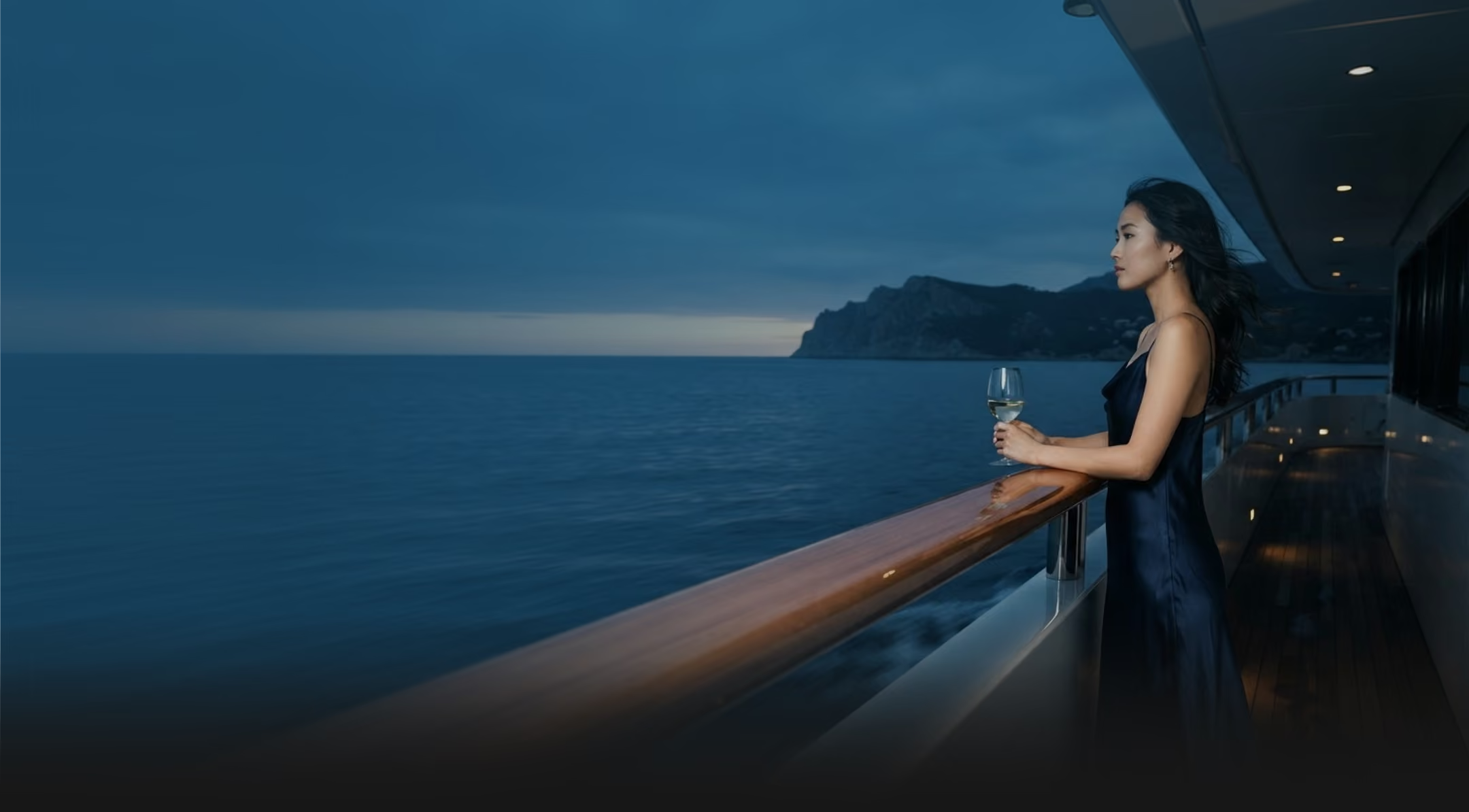
You pay marketplaces for bookings your site should win
Each booking includes a commission
Travellers find you on a marketplace, book there, and a cut of each trip leaves the business.
Your best itinerary lives in a PDF
Travellers who would love the trip never see it, because it sits in an inbox instead of on the site.
A trade partner asks for a link
Agents check your site first, and a weak one makes them hesitate to show you to clients.
Made for the businesses that sell experiences
Your website has to convince two audiences at once: travellers planning a trip, and the partners who sell you on. Both judge you online before anyone gets in touch.

Tour operators

DMCs

Luxury travel companies

Attractions

Venues and event spaces

Experience providers
Pages built around how travel is bought
Itinerary pages
Departures and availability
Trade and partner pages
Destination and route pages
Enquiry and booking paths
Venue and event pages
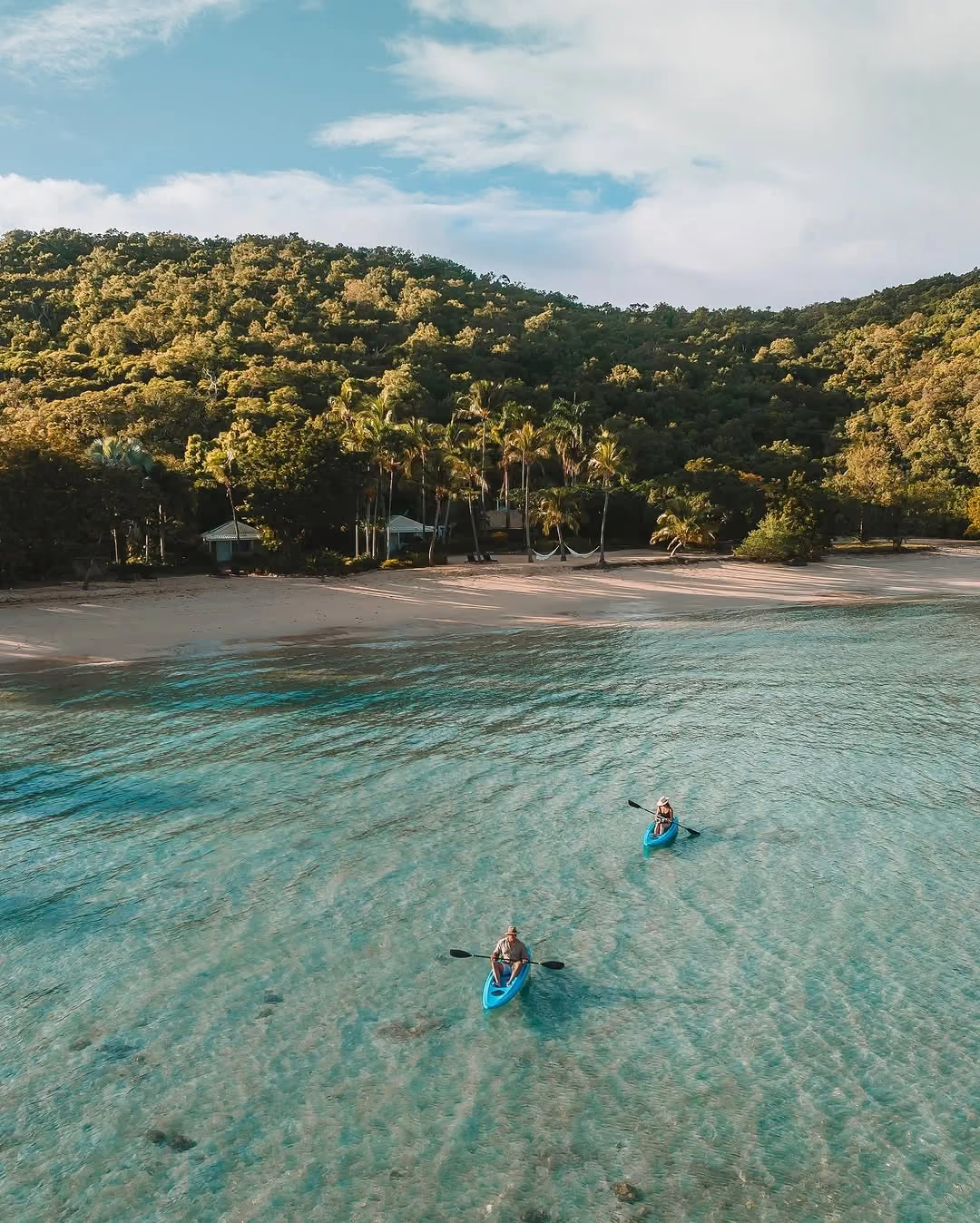
What changes when travellers book with you
What a site built for both audiences does.
Without Superpresence
- Marketplaces keep most of every sale
- Travellers wait on emails to confirm availability
- Custom requests get lost in marketplace forms
- Trade enquiries have nowhere proper to land
- Strangers hesitate before trusting a deposit
- Source-market visitors meet an English-only site
After Superpresence
- More bookings direct, fewer through marketplaces
- Live availability and pricing end back-and-forth
- Private, custom and group requests arrive directly
- Travel agents and incentive planners enquire
- Reviews and real photos earn deposit trust
- Source markets addressed in their own language
Every page built to win the booking
Research & Strategy
We study your competitors, your trips and how travellers find and choose you, so every page answers what they actually check before they enquire.
- Competitor research
- Sitemap built around your trips
- Mapping the journey to an enquiry
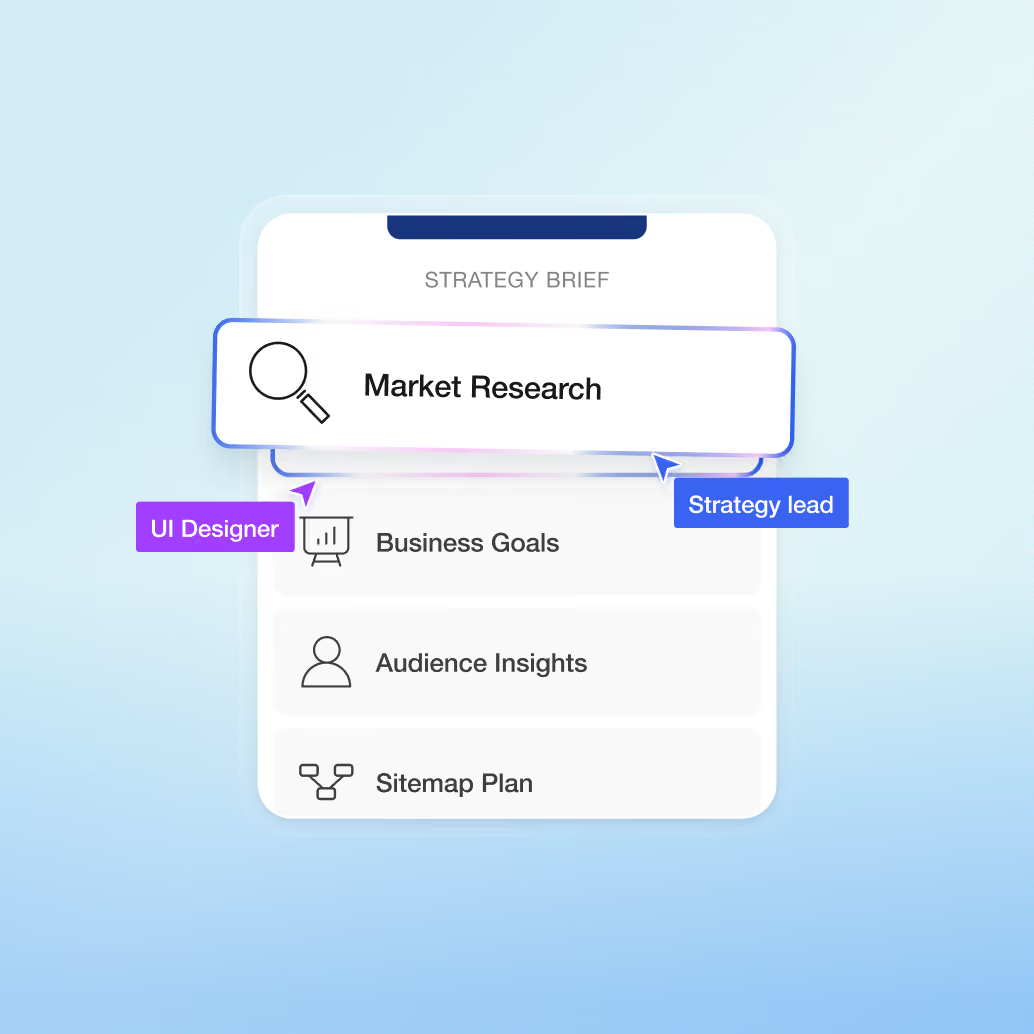
Visual Design
Every page is drawn for your brand, with the photography and detail that make the trip feel real before anyone arrives.
- Fully custom design
- Real photography-led layouts
- A premium look that matches the price
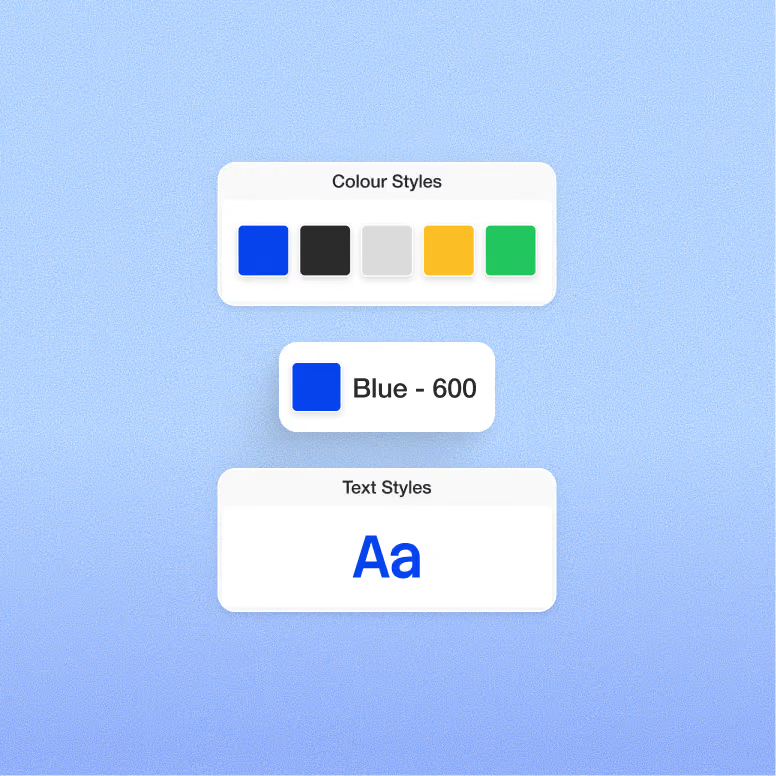
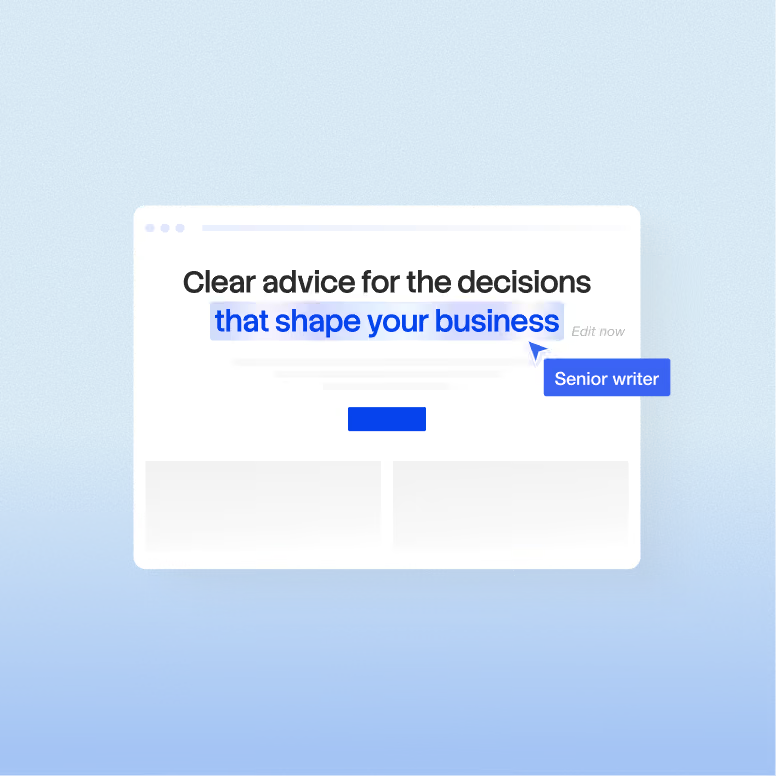
Messaging & Copywriting
Our writers spell out what is included, who the trip suits and why to book with you, so travellers can decide without calling.
- Itinerary and inclusions copy
- Pages written to persuade
- Trade-facing credibility copy
UI/UX Design
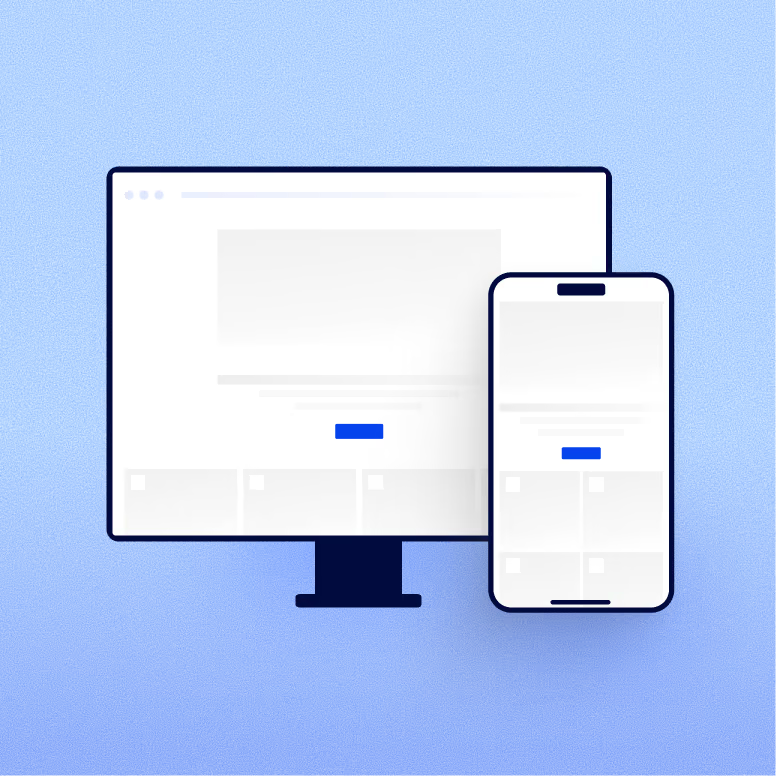
Every page leads somewhere useful, and the site works just as well on the phone a traveller is holding on a bus.
- Enquiry paths on every page
- Mobile-first layouts
- Availability and dates made easy to find
Development & QA
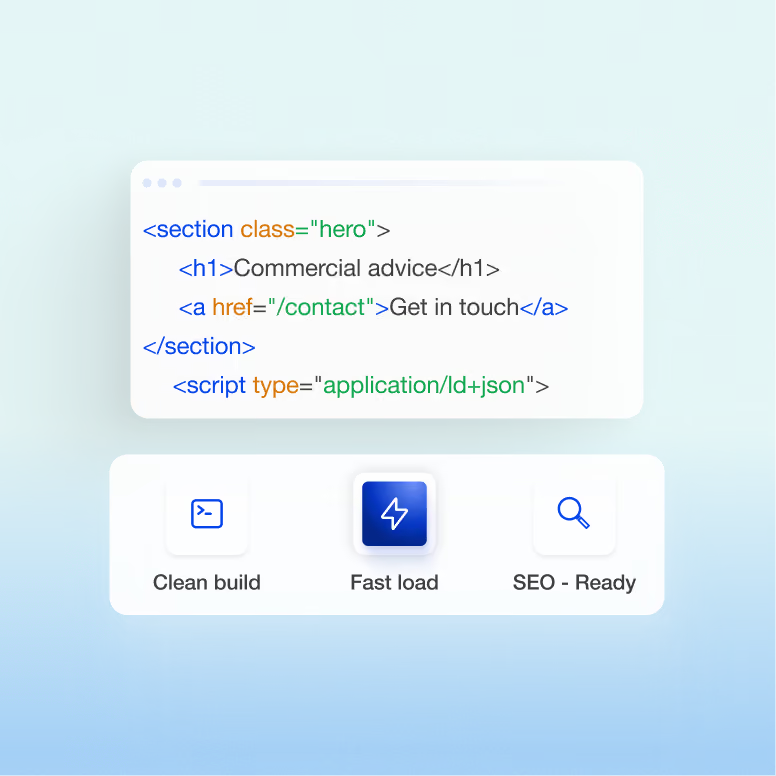
Your site is built on the latest tech stack, loads fast, and is tested across devices and browsers before launch.
- Fast, current build
- Search-ready structure
- Integrated with your tools
What a website built for direct enquiries does
Six improvements that win travellers while they plan, and give trade partners proof.
Conversion-focused UX
Fast load speeds
Search and AI visibility
Analytics
A CMS the team runs
Security and scale

Experts in every discipline, working as your firm's digital department
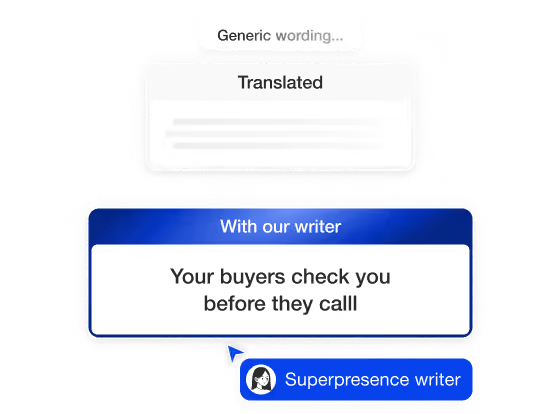
Built for English-speaking buyers
Your buyers evaluate software in English. We write for them, so the product never reads translated.
AI-native, not AI-dependent
We use AI to research competitors, reviews and buyer questions fast. Experts direct it and sign off every line, so nothing generic ships.

Web design that wins business
Every page moves visitors towards a demo or a trial, with the proof buyers need to justify it.
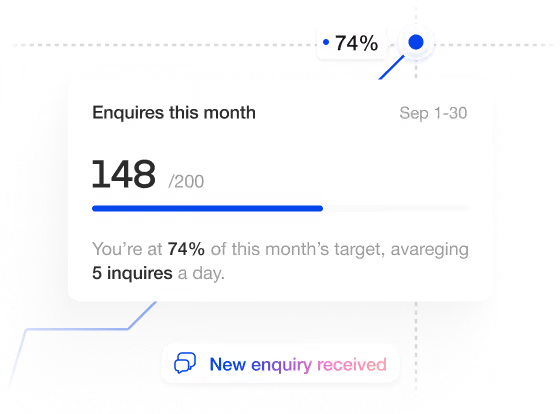
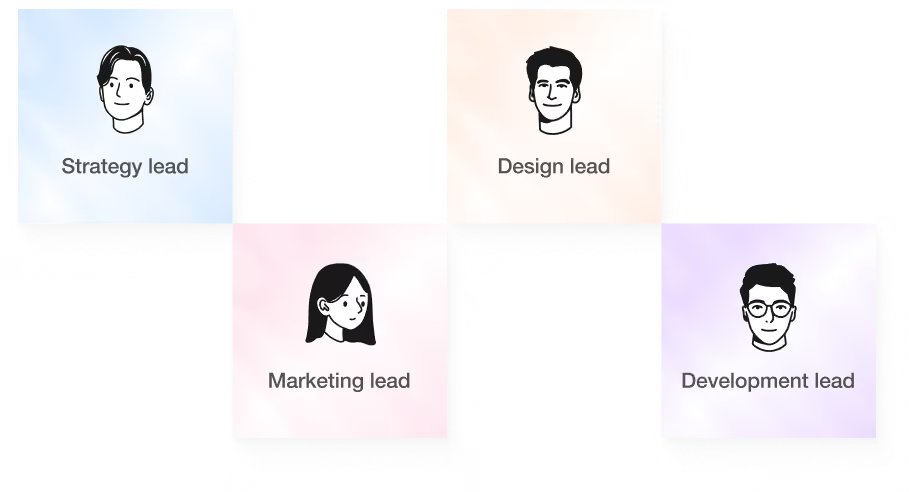
The whole team, none of the overhead
Your product gets the whole team, from strategist to QA, with nobody to recruit, onboard or manage.
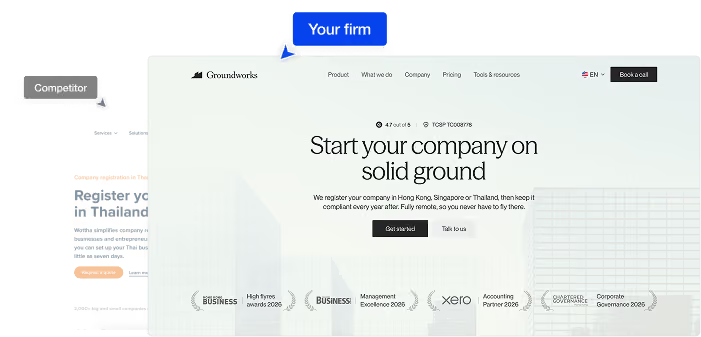
You look sharper than your competitors
Design and polish that stand up against funded competitors, so buyers compare you favourably.

"Superpresence rebuilt our site around what founders and partners actually need from us. It finally looks like the organisation we've become, and the team made the whole process easy."


What operators usually want to know
Why choose Superpresence for a tour operator website in Thailand or elsewhere in Asia?
Superpresence builds websites for tour operators, DMCs, luxury travel companies, attractions and venues across Asia, designed for two audiences at once: international travellers, and the trade partners who sell you on. Travellers get itineraries and an easy booking path; agents get the licences, insurance and coverage they need to recommend you. We're based in Bangkok, Hong Kong and Singapore and write in expert native English. Many travellers now plan with AI, asking for a five-day northern Thailand itinerary or a private food tour in Hong Kong before they ever open a marketplace. Itinerary pages written day by day, with clear structure and schema, give those tools real detail to describe and recommend.
Most of our bookings come through agents and marketplaces. Why does the website matter?
Because travellers and agents both check your site before trusting you with a deposit. A traveller who finds you on a marketplace often looks you up directly, and if your site shows the same trip clearly with an easy way to book, some of those bookings come to you without commission. Agents run the same check before putting you in front of clients. Keep the marketplaces for discovery. The site wins the share of travellers willing to book direct.
Can you connect our booking and availability system?
Yes. We integrate the booking system you already run, so live availability and pricing show on the site; most tour booking platforms offer an embeddable calendar or checkout. The integration is scoped as an add-on in the build quote, priced by complexity. When the business needs something the booking tool can't do, such as custom itinerary requests, group quotes or multi-day packages with options, we usually recommend a custom build designed around that flow.
Can the site work in Chinese, Korean or other source-market languages?
The site can be built in several languages, but we don't translate. We build the structure (language switcher, language versions search engines can index), and translations come from your team or a specialist translator. Our own copywriting is in English. One extra language is usually easy to run on Webflow. Several source markets are often better on a custom build, and we'll recommend it when that's the case.
We sell low-priced day tickets. Is a custom site worth it for us?
Probably not. When travellers choose a low-priced ticket on price and reviews, marketplaces such as Klook, GetYourGuide and Viator do the job well, and their commission is the cost of reaching that audience. Superpresence fits higher-value experiences where the website changes the decision: multi-day itineraries, private and luxury trips, DMC services, venues and events. There, a handful of direct bookings can cover a lot of commission.
What does a tour operator website cost?
It depends on what you sell and how it's booked. Itinerary volume, booking and availability integration, custom-request and group-quote flows, trade and venue sections, and extra language versions all move the number. Tell us how bookings reach you today and we'll send a fixed-price proposal within a week. Projects start from US$4,800 for a smaller marketing site. Bear in mind that the smallest sites have no CMS, so they only suit operators whose trips and dates rarely change. If you run ads, most clients see the site pay back within the first year, as more travellers book direct instead of through a commission-taking marketplace.
Our itineraries and departures change constantly. Who keeps the site current?
Your team, in the CMS, without a developer. Itineraries, departure dates, seasons and prices are set up as structured content, so updating a departure means editing a field instead of rebuilding a page. Live availability comes from your booking system, so that part stays current on its own. For bigger changes, such as a new product line or a seasonal campaign, a maintenance plan covers it, with each request scoped and approved first.
We're small. Will a rebuild eat the season?
Not if it's planned around your calendar. A full build takes 6 to 12 weeks, and your team's time is concentrated in a few points: a kick-off, an interview with whoever handles bookings, and three feedback rounds. The usual plan is to build in the shoulder season and launch before peak bookings open. Tell us your season on the first call and we'll fit the build around it.